





Contents:
- What Does Laser Hair Removal Pain Actually Feel Like?
- Which Areas Hurt the Most?
- High-Pain Zones
- Lower-Pain Zones
- Why Does Laser Hair Removal Cause Discomfort?
- What the Pros Know
- Proven Pain Management Strategies
- Before Your Appointment
- During Your Appointment
- After Your Appointment
- Does Pain Decrease With Multiple Sessions?
- Pain Comparison: Laser vs. Other Hair Removal Methods
- Who Experiences the Most Pain?
- Cost Breakdown: Is the Pain Worth It?
- Red Flags: When a Clinic Might Be Causing Unnecessary Pain
- Frequently Asked Questions
- Does laser hair removal hurt more for men or women?
- Is the pain of laser hair removal worth the results?
- Can you get laser hair removal without any pain at all?
- What happens if the pain is unbearable during treatment?
- Does numbing cream actually work for laser hair removal?
- Moving Forward: Your Pain Management Plan
You’re standing in the mirror, razor in hand for the third time this week, thinking there has to be a better way. Your friend swears by her laser treatment, but she’s also the type who claims tattoos don’t hurt. So the burning question: does laser hair removal hurt? The honest answer isn’t simple—it depends on your skin, your pain threshold, the clinic’s equipment, and whether you’ve prepped properly. Let’s cut through the marketing speak and talk about what actually happens when you sit down for a laser hair removal appointment.
What Does Laser Hair Removal Pain Actually Feel Like?
The sensation during laser hair removal is genuinely difficult to describe because it’s unlike most pain people know. Most clients describe it as a combination of sensations: a quick snap or rubber-band flick against the skin, followed by a brief stinging sensation, then warmth. Some say it’s similar to a hot pin prick. Others liken it to having someone flick your skin repeatedly while it’s warm. The key word here is “brief”—each pulse typically lasts less than a second.
The intensity varies dramatically based on several factors. Darker skin typically experiences more sensation because melanin in the skin absorbs more laser energy. Thinner, more sensitive areas like the underarms, bikini line, and inner thighs tend to feel sharper than fleshier zones like legs. Some people tolerate cheek hair removal without flinching but struggle with upper lip or chin work. Your skin’s sensitivity on the day of treatment matters too—if you’re sunburned, stressed, or haven’t slept, pain perception increases noticeably.
The most important distinction: it’s uncomfortable, but it’s not the kind of pain that makes you want to stop. Most people complete their sessions. If treatment becomes unbearable, the technician can stop, adjust settings, or apply numbing cream.
Which Areas Hurt the Most?
Not all body parts feel the same under the laser. Understanding this helps you mentally prepare and choose the right pain management strategy.
High-Pain Zones
- Bikini line: Dense hair follicles, thin skin, and proximity to sensitive areas make this the most challenging spot for most people. Some clinics report this is where clients request breaks most frequently.
- Upper lip and chin: These areas have sensitive skin and coarse hair, creating a sharp stinging sensation. Many women find this more intense than expected.
- Underarms: The skin here is thinner and more sensitive than legs, causing sharper pulses to feel more pronounced.
- Inner thighs: Similar to underarm sensitivity, plus very fine nerve endings in the area.
Lower-Pain Zones
- Legs: Thicker skin and larger surface area means less intense sensation. Many clients say leg treatments are almost comfortable.
- Forearms: Generally well-tolerated with minimal discomfort.
- Chest and back: Larger body areas with thicker skin typically experience milder sensations.
A rough pain scale: expect a 3-4 out of 10 for legs, 5-6 for underarms, and 6-8 for the bikini line and upper lip on a standard pain scale, though this varies considerably between individuals.
Why Does Laser Hair Removal Cause Discomfort?
Understanding the science helps some people psychologically manage treatment. Laser hair removal works by directing concentrated light energy into hair follicles. The pigment in the hair (melanin) absorbs this energy, which heats the follicle to around 65-80 degrees Celsius. This heat damages the follicle’s ability to regrow hair. Your nerve endings detect this heat, creating the sensation you feel.
The darker and thicker your hair, the more energy it absorbs, and the warmer the follicle gets—meaning more sensation. This is why people with black hair report more discomfort than those with blonde or red hair. The laser wavelength also matters. Older diode lasers typically cause more sensation than newer alexandrite or ND:YAG lasers, which are specifically designed to be gentler.
Interestingly, the very first few pulses often feel worse than the rest of the treatment. Your skin’s heat sensors calibrate after initial exposure, and you may notice pain perception actually decreases as the session continues.
What the Pros Know
Insider tip: Professional technicians can significantly reduce pain without cancelling results. They’ll start with lower energy settings on a test patch, then adjust upwards as your skin adapts. Many experienced clinics offer a “pain tolerance test”—they’ll pulse a small area and ask you to rate it before committing to the full session. This allows them to dial in the perfect balance between effectiveness and comfort. It takes an extra 5-10 minutes but makes a massive difference. Also, cheaper clinics often use outdated equipment that requires higher energy settings to work, causing more pain. Spending extra for a clinic with newer laser technology often means less discomfort, not more.
Proven Pain Management Strategies
Before Your Appointment
Skip the coffee and alcohol. Both increase skin sensitivity and lower your pain threshold. Avoid caffeine for at least 6 hours before your appointment, and skip alcohol the night before.
Apply numbing cream 30-60 minutes beforehand. Topical anesthetics like EMLA cream (5% lidocaine) or lidocaine-prilocaine blends genuinely work. They reduce sensation by about 40-60% on average. Apply a thick layer about an hour before treatment and cover with cling film to increase absorption. Most clinics charge £5-15 extra if they apply it themselves, or you can buy your own for £10-20 online.
Avoid sun exposure. Sunburned skin is more sensitive to laser treatment. Protect yourself for at least two weeks before your appointment.
Don’t shave too close to appointment time. Shave 12-24 hours before treatment, not the morning of—this reduces irritation. Your skin needs time to recover from shaving.
Stay hydrated. Well-hydrated skin handles laser treatment better than dehydrated skin. Drink plenty of water for 48 hours before your appointment.
During Your Appointment
Tell your technician immediately if it’s too much. Professional clinics pause between areas or between passes to let your skin cool. Use a hand signal to communicate discomfort rather than powering through silently. A good technician will adjust settings immediately.
Focus on your breathing. Breathe slowly and deeply rather than holding your breath. Holding breath increases tension, which amplifies pain perception. Some people count breaths or listen to music during treatment.
Ask about cooling methods. Most modern clinics use integrated cooling systems that spray cool air or gel during each pulse. If your clinic doesn’t, ask if they can apply ice packs between pulses on sensitive areas. This genuinely reduces discomfort.
Wear loose clothing to your appointment. You’ll want nothing tight pressing against treated skin afterwards.
After Your Appointment
Ice the area for 15-20 minutes. This reduces any lingering heat sensation and inflammation.
Apply aloe vera or hydrating lotion. Keep treated areas moisturised for 48 hours. Avoid heavy perfumed products.
Skip hot showers and exercise for 24 hours. Heat increases inflammation. Stick to lukewarm water and gentle activities.
Avoid sun exposure for two weeks. Treated skin is more vulnerable to UV damage.
Does Pain Decrease With Multiple Sessions?
Yes, significantly. Most hair removal protocols require 6-12 sessions spaced 4-8 weeks apart. Many clients report that by session three or four, the discomfort is noticeably less intense. Why? As hair becomes progressively finer and sparser, it absorbs less laser energy, generating less heat. By session six, many people describe the sensation as barely uncomfortable—almost like a warm massage. This is excellent news if your first session felt intense.
However, sessions later in your course (when hair is very fine) sometimes feel worse because the laser has to use slightly higher energy settings to catch the remaining hairs. Ask your technician to adjust settings based on remaining hair density rather than using the same power throughout.
Pain Comparison: Laser vs. Other Hair Removal Methods
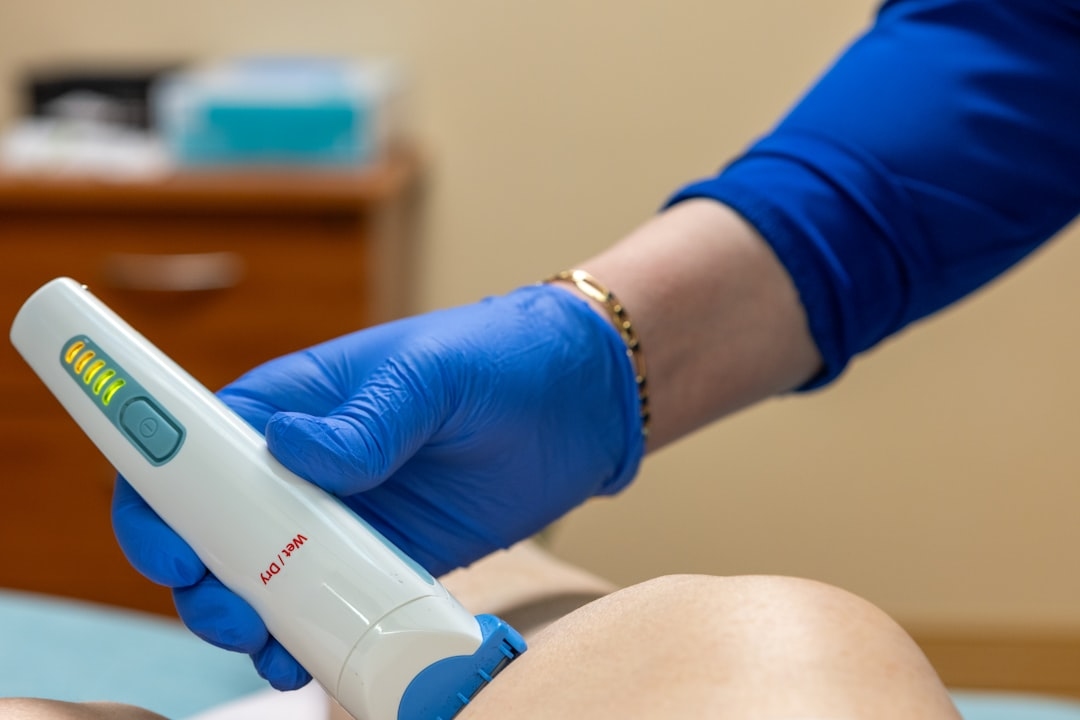
Context matters. Here’s how laser stacks up against alternatives:
Laser vs. Waxing: Waxing delivers sharp, immediate pain as hair is ripped from follicles. It typically rates 6-8 out of 10 for pain. Laser is usually slightly less painful overall because the pain is more sustained but less sharp. However, some people find individual laser pulses more intense than wax strips.
Laser vs. Electrolysis: Electrolysis manually destroys each follicle individually with a needle. It’s more painful than laser and takes 15-30 times longer. Most people avoid this unless laser doesn’t work on their hair colour.
Laser vs. Threading: Threading (used mainly for facial hair) is less painful during treatment but requires constant upkeep since hair returns in 2-4 weeks. Laser hurts more in the moment but offers lasting results.
Laser vs. Razors and depilatories: These are painless but require constant reapplication and don’t reduce hair growth long-term. If you’re sick of weekly shaving, the temporary discomfort of laser is usually worth it.
Who Experiences the Most Pain?
Skin tone: Those with darker skin (particularly if using diode lasers) experience more sensation because melanin absorbs more energy. ND:YAG lasers are designed to be safer and less painful for darker skin types.
Hair colour and thickness: Dark, thick hair = more pain. Blonde or red hair = less sensation. If you have sparse, fine hair, you might find treatment so mild you wonder if it’s working (but it usually is).
Sensitivity tendencies: People prone to sensitive skin, eczema, or rosacea might struggle more. Let your clinic know about these conditions so they can adjust settings.
Age: Interestingly, older skin sometimes reports slightly more sensitivity, possibly due to changes in skin hydration and pain perception. This isn’t a reason to avoid treatment, just something to be aware of.
Medication: If you take tetracyclines, NSAIDs, or blood thinners, these can increase pain perception. Some medications also increase photosensitivity. Always inform your clinic about medications you’re taking.
Cost Breakdown: Is the Pain Worth It?
Whether you’ll tolerate the discomfort often depends on the value proposition. Here’s what you’re typically paying in the UK in 2026:
- Full leg treatment (6-session course): £400-800 total (£65-130 per session)
- Bikini line (6 sessions): £250-500 total (£40-85 per session)
- Upper lip or chin (6 sessions): £150-300 total (£25-50 per session)
- Full face (6 sessions): £350-700 total (£60-120 per session)
- Full body plan (usually cheaper per area): £1500-3000 for 6 sessions
Compare this to alternative costs: A woman shaving legs spends approximately £400-600 yearly on razors, shaving foam, and replacement handles. Waxing legs costs £20-40 per session, roughly £120-240 yearly if you go every 4-6 weeks. Over five years, that’s £600-1200. Laser pays for itself within three years while also saving time and frustration. The brief discomfort during treatment suddenly feels like a reasonable trade-off.
Red Flags: When a Clinic Might Be Causing Unnecessary Pain
They won’t do a test patch. Reputable clinics always treat a small area first to gauge your skin’s reaction and your pain tolerance.
They skip the cooling system. Modern clinics have integrated cooling. If they’re just applying aloe after treatment, that’s outdated practice.
They use the same settings for all skin types. Individual customisation is essential. Budget clinics often blast everyone with standard settings, causing unnecessary pain.
They dismiss your pain complaints. A good technician adjusts settings if you report discomfort. If they tell you to “just deal with it,” leave.
They pressure you to do more sessions than recommended. Standard protocols are 6-12 sessions. If a clinic insists you need 20, they’re maximising revenue, not results.
Equipment age matters. Ask what laser they use. Candela, Lumenis, and Alma are well-regarded brands. Very cheap clinics using 10+ year old machines will cause more pain.
Frequently Asked Questions
Does laser hair removal hurt more for men or women?
Not inherently, but treatment areas differ. Men getting facial hair removed from cheeks, neck, and beard line report similar discomfort levels to women. However, men undergoing full-body treatment (chest, back, legs) sometimes report chest and back as less painful than women undergoing bikini line treatment, simply because those areas are less sensitive anatomically.
Is the pain of laser hair removal worth the results?
Most people say yes. Permanent hair reduction means you’ll spend less time on shaving, waxing, or plucking. The permanent results, combined with savings on ongoing hair removal, make the temporary discomfort worthwhile for the vast majority. However, if you have very low pain tolerance or very sparse fine hair to begin with, it might not be worth it for you.
Can you get laser hair removal without any pain at all?
Not with effective settings. Some sensation is inevitable because the laser must generate enough heat to damage follicles. However, you can minimise discomfort to 1-2 out of 10 using numbing cream, newer equipment, proper skin prep, and a technician who customises settings. Many people describe their later sessions this way.
What happens if the pain is unbearable during treatment?
Stop immediately and tell the technician. They’ll pause treatment, apply cooling gel, and you can either continue with lower settings or reschedule. There’s no medal for suffering through. A good clinic will work with you to find a comfortable setting that still produces results. If a clinic refuses to adjust settings, that’s your sign to find someone else.
Does numbing cream actually work for laser hair removal?
Yes, it reduces sensation by 40-60% on average. Apply it 45-60 minutes before treatment under plastic wrap, then remove it just before the appointment. Some clinics include numbing cream in their service; others charge £5-15 extra. Home-purchased EMLA cream costs £10-20 for a 30g tube (enough for several sessions). It’s most effective for high-sensitivity areas like the bikini line.
Moving Forward: Your Pain Management Plan
Knowing that laser hair removal causes temporary discomfort is honest. Knowing you can manage that discomfort effectively is empowering. Start your first session prepared: apply numbing cream, stay hydrated, avoid caffeine, and choose a reputable clinic with modern equipment. Tell your technician about your pain concerns so they adjust settings appropriately. By session two or three, you’ll have real data about your personal tolerance level and can decide whether to continue with pain management strategies or whether each session gets progressively easier. For most people, the answer to “does laser hair removal hurt?” is “yes, but not enough to regret it.”
+ There are no comments
Add yours