





Contents:
- Do Eyebrow Hair Grow Back? The Short Answer
- How Eyebrow Hair Growth Works
- Timeline: When Eyebrow Hair Grows Back After Different Removal Methods
- After Plucking
- After Waxing
- After Threading
- Regional Differences in Eyebrow Hair Regrowth
- When Eyebrow Hair Doesn’t Grow Back: Permanent Damage
- Overplucking and Follicle Atrophy
- Waxing Damage and Skin Burns
- Trichotillomania (Compulsive Hair Pulling)
- How to Support Eyebrow Hair Regrowth
- Nutrition and Supplementation
- Topical Support: Growth Serums and Oils
- Avoid Further Damage
- Permanent Eyebrow Solutions If Regrowth Fails
- FAQ: Eyebrow Hair Regrowth Questions
- How long does it take for eyebrow hair to grow back completely?
- Can damaged eyebrow follicles ever produce hair again?
- Why are my regrowing eyebrows lighter than before?
- Should I use castor oil or growth serum during eyebrow regrowth?
- Is it possible to lose eyebrow hair permanently from one waxing session?
You plucked one too many hairs and now your eyebrow looks lopsided. Or you had them waxed five weeks ago and they’re still sparse. The anxiety is real: will your eyebrows ever grow back? The answer is yes—but understanding the timeline and recovery process helps manage expectations.
Do Eyebrow Hair Grow Back? The Short Answer
Yes. Does eyebrow hair grow back? In most cases, absolutely. Eyebrow hairs grow back within 3-4 months after plucking, and 6-8 weeks after waxing. The growth rate depends on your hair cycle stage, genetics, and whether damage was done to the follicle itself.
The critical distinction: temporary removal (plucking, waxing) allows regrowth. Permanent damage (overplucking causing follicle atrophy, chemical burns from harsh waxing) may prevent regrowth in those specific follicles.
How Eyebrow Hair Growth Works
Eyebrow hair operates on a growth cycle like all body hair. The anagen phase (active growth) lasts 4-7 months. The catagen phase (transition) lasts 2-3 weeks. The telogen phase (resting) lasts 4-7 months. At any given time, approximately 80% of your eyebrow hairs are in growth phase and 20% are resting.
When you pluck a hair during growth phase, you remove it completely—but the follicle remains intact. That follicle will produce a new hair within 4-8 weeks. If you pluck during resting phase, regrowth takes longer because the follicle is already dormant.
Timeline: When Eyebrow Hair Grows Back After Different Removal Methods
After Plucking
Regrowth begins within 1-2 weeks. You’ll notice stubble at 3-4 weeks. Visible hairs appear at 6-8 weeks. Full regrowth to pre-pluck length takes 3-4 months. The initial hairs are often finer and lighter (they’re young hairs), then darken and thicken over weeks.
After Waxing
Waxing removes hairs at the root but doesn’t damage the follicle (when done correctly). Regrowth timeline is similar to plucking: noticeable regrowth at 3-4 weeks, visible fullness at 6-8 weeks, complete restoration at 2.5-3 months. Waxing can result in slightly slower regrowth because the follicle is pulled from below the skin surface.
After Threading
Threading removes hairs at the skin surface, so regrowth is fastest: visible regrowth within 2-3 weeks, full density at 4-6 weeks.
Regional Differences in Eyebrow Hair Regrowth
Interestingly, eyebrow regrowth speed varies slightly by region. In Scotland and Northern England, where people often have thicker body hair genetically, eyebrow regrowth tends to be faster and fuller. In South East England, where finer hair is more common, regrowth is slower and sometimes lighter in colour.
This isn’t a hard rule—genetics matter far more than location. However, climate plays a small role. Drier climates (parts of the East Midlands) can slow skin turnover, which indirectly affects hair growth rate.
When Eyebrow Hair Doesn’t Grow Back: Permanent Damage
Overplucking and Follicle Atrophy
This is the real danger. Repeated, aggressive plucking of the same hairs over months or years can damage the follicle permanently. The follicle shrinks (atrophies) and eventually stops producing hair. This typically takes years of excessive plucking—not one or two incidents.
A reader from Birmingham shared her experience: “I spent my teenage years obsessed with thin eyebrows. I plucked aggressively every day for about five years. By my early twenties, they never grew back fully. I lost maybe 30% of my original eyebrow density permanently. I wish I’d known that consistent, heavy plucking causes permanent damage.”
Waxing Damage and Skin Burns
Poorly executed waxing can cause chemical or thermal burns. If the wax is too hot or applied incorrectly, it damages the skin and follicles. This prevents regrowth. Always use professional services or follow product instructions carefully at home. Burns from waxing typically show scarring and don’t regrow.
Trichotillomania (Compulsive Hair Pulling)
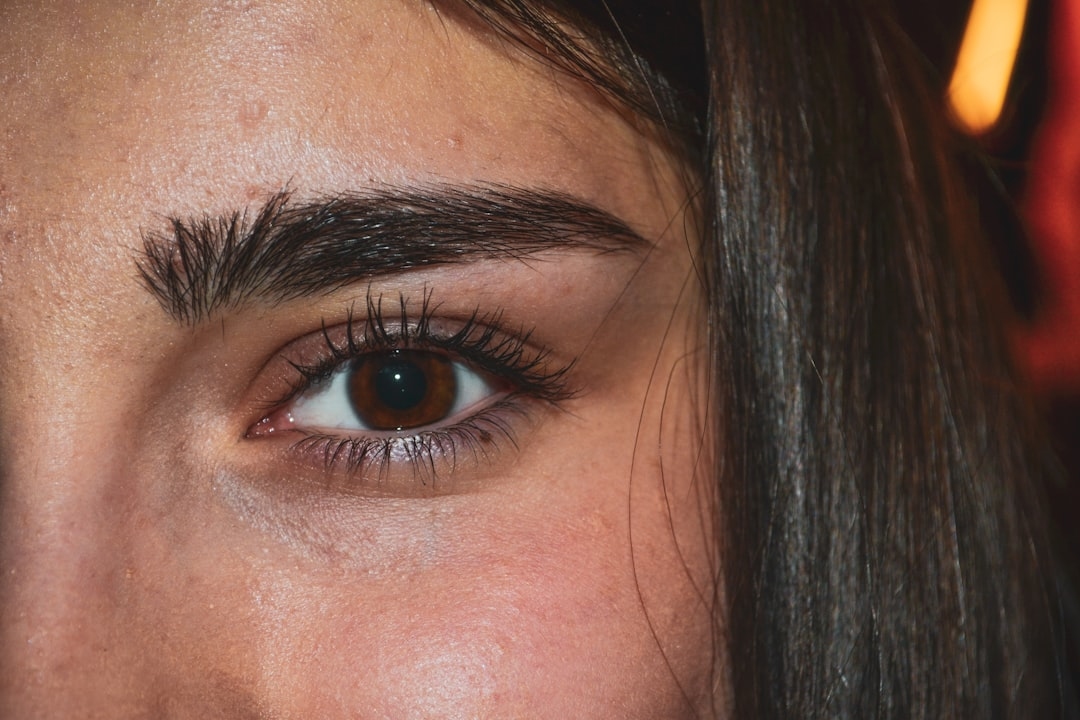
Repeated, obsessive plucking can damage follicles and skin. This condition requires professional support and can result in permanent hair loss in affected areas.
How to Support Eyebrow Hair Regrowth
Nutrition and Supplementation
Hair growth requires adequate protein, iron, zinc, and B vitamins. A diet deficient in these nutrients slows regrowth. Biotin supplements (around £6-12 per month) support hair strength, though evidence is modest. Most importantly, eat adequate protein (aim for 1.2-1.6g per kg body weight daily).
Topical Support: Growth Serums and Oils
Eyebrow growth serums containing biotin, peptides, or panthenol (typically £12-25) can support regrowth. Castor oil (£5-8) has traditional use for eyebrow growth and may help, though scientific evidence is limited. Apply nightly during the regrowth phase.
Avoid Further Damage
Stop plucking or waxing during regrowth. Let hairs grow undisturbed for at least 3 months. Resist the urge to tidy them up—every hair contributes to full density.
Permanent Eyebrow Solutions If Regrowth Fails
If follicles are permanently damaged and eyebrows don’t regrow:
- Microblading: Semi-permanent tattoo mimicking eyebrow hairs, costs £250-400, lasts 18-24 months
- Eyebrow transplants: Surgical grafting of scalp hair to eyebrow area, costs £2,000-4,000, permanent but expensive
- Eyebrow makeup: Daily application of brow pencils or powders (£8-20 per product), most affordable option
FAQ: Eyebrow Hair Regrowth Questions
How long does it take for eyebrow hair to grow back completely?
3-4 months after plucking, 2.5-3 months after waxing. This assumes the follicle is undamaged and you’re not plucking during regrowth.
Can damaged eyebrow follicles ever produce hair again?
Yes, if damage is mild (skin irritation). No, if damage is severe (burns, scarring, or atrophy from years of overplucking). Most temporary removal doesn’t damage follicles permanently.
Why are my regrowing eyebrows lighter than before?
New eyebrow hairs are often lighter and finer initially. They darken and thicken over 4-6 weeks as they mature. This is normal and not permanent.
Should I use castor oil or growth serum during eyebrow regrowth?
Evidence is limited, but they don’t hurt and may help slightly. The primary factors are genetics and avoiding plucking during regrowth. Serums are supplementary, not essential.
Is it possible to lose eyebrow hair permanently from one waxing session?
Not typically. One waxing session causes temporary removal. Permanent loss occurs only after repeated damage or severe burns. One session results in normal regrowth within 2-3 months.