
Contents:
- Does Argan Oil Cause Hair Loss? The Scientific Reality
- How Misuse of Argan Oil Can Worsen Hair Loss
- Scalp Buildup and Product Accumulation
- Product Interaction and Allergic Response
- Argan Oil and Hair Loss: Understanding the Real Causes
- When Hair Loss Isn’t About the Product
- How to Use Argan Oil Safely Without Increasing Hair Loss
- Application Guidelines
- Choosing Quality Argan Oil
- When to Avoid Argan Oil
- What Actually Helps Hair Loss: Beyond Argan Oil
- FAQ: Argan Oil and Hair Loss Questions
- Does argan oil cause or prevent hair loss?
- Can argan oil make hair loss worse?
- What’s the best oil for hair loss?
- Should I use argan oil if I’m experiencing hair loss?
- How long does it take to see results from argan oil?
Approximately 40% of men experience noticeable hair loss by age 50, and women also face thinning and loss. When people struggle with shedding, they often scrutinise every product they use. Can argan oil cause hair loss? The short answer is no—argan oil does not cause hair loss in healthy individuals. However, misuse of argan oil or underlying conditions can worsen existing hair loss, which many people mistake for the oil being the culprit.
Does Argan Oil Cause Hair Loss? The Scientific Reality
Argan oil is extracted from the kernels of the argan tree, native to Morocco. It’s rich in vitamin E, antioxidants, and linoleic acid—all nutrients that support hair health. Research on argan oil shows it actually protects against oxidative stress and supports scalp health. A 2015 study published in the Journal of Cosmetic Dermatology found that argan oil improved hair elasticity and shine without adverse effects.
Argan oil cannot directly cause hair loss because it doesn’t interfere with hair growth cycles, hormone regulation, or scalp function. What it can do is exacerbate existing hair loss if misapplied.
How Misuse of Argan Oil Can Worsen Hair Loss
Scalp Buildup and Product Accumulation
Argan oil is heavy. Applying it directly to your scalp multiple times weekly coats your scalp and hair roots, creating buildup. This buildup restricts airflow to the scalp and creates an environment where bacteria thrive. A scalp with poor circulation and bacterial overgrowth experiences increased shedding. The oil isn’t causing the loss; the resulting scalp condition is.
To avoid this, apply argan oil only to the mid-lengths and ends of your hair—never directly to the scalp. One application per week is sufficient for most people. Use 3-5 drops for shoulder-length hair, 5-8 drops for longer hair.
Product Interaction and Allergic Response
Some people experience scalp reactions to argan oil, particularly those with nut allergies (argan oil comes from tree nuts). Allergic reactions cause inflammation, itching, and temporary shedding. This isn’t the oil causing permanent hair loss—it’s an inflammatory response that resolves once you stop using the product.
Additionally, low-quality argan oils contain fillers and impurities (often sold in supermarkets at £3-5). Pure, cold-pressed argan oil from reputable suppliers costs £15-25 per 100ml. Cheaper products can cause scalp irritation more readily than pure oils.
Argan Oil and Hair Loss: Understanding the Real Causes
When Hair Loss Isn’t About the Product
If you’ve started using argan oil and notice increased shedding, the oil likely isn’t responsible. Hair loss has these primary causes:
- Genetics: Hereditary hair loss accounts for 95% of all hair loss. No product causes or cures it.
- Hormones: Androgenetic alopecia (genetic hair loss) is triggered by DHT sensitivity. Argan oil has no impact on hormone levels.
- Nutritional deficiency: Iron, zinc, vitamin B12, and protein deficiency cause shedding. Argan oil doesn’t provide these nutrients in significant quantities.
- Stress and illness: Telogen effluvium (stress-induced shedding) causes significant temporary hair loss. Argan oil cannot prevent this.
- Scalp conditions: Seborrheic dermatitis, psoriasis, and fungal infections cause shedding. Argan oil may help or harm depending on the condition.
How to Use Argan Oil Safely Without Increasing Hair Loss
Application Guidelines
Apply argan oil exclusively to the last 10-15cm of your hair (the ends). Here’s the safest method: After showering and towel-drying, take 3-5 drops of pure argan oil and warm it between your palms. Run your hands through the ends of your hair only. Comb through gently. This distributes the oil evenly without creating buildup at the scalp.
Frequency: Once weekly is adequate. Those with very dry, damaged hair can apply twice weekly, but never daily.
Choosing Quality Argan Oil
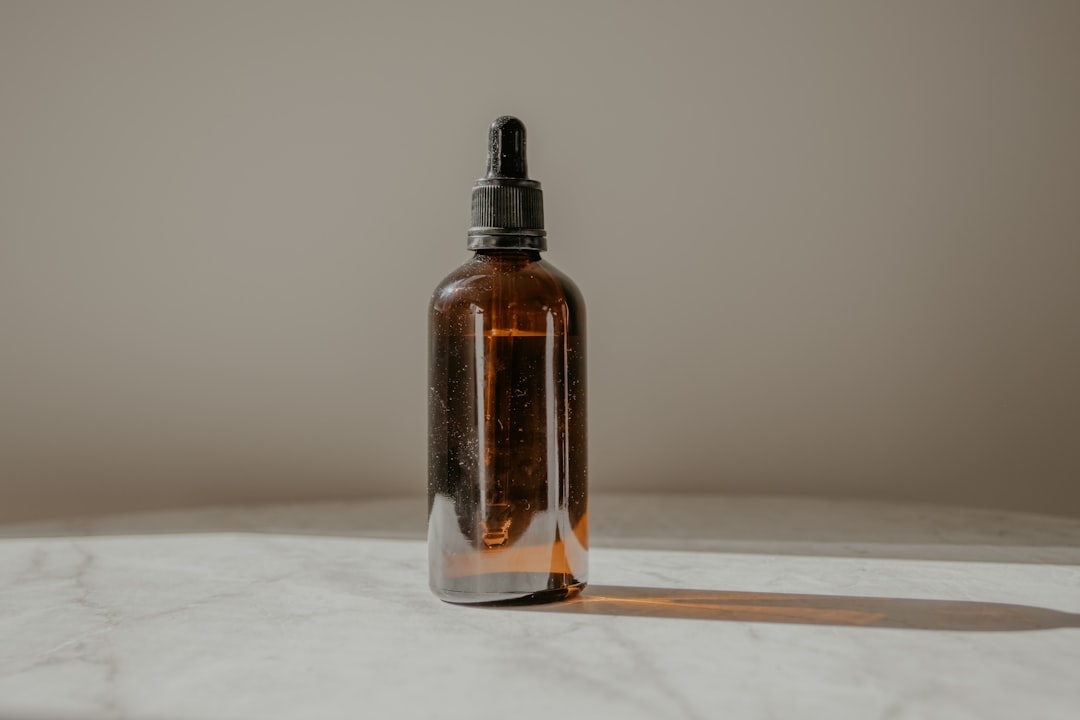
Purchase 100% pure, cold-pressed argan oil from reputable suppliers (prices £15-30 for 100ml). Look for amber-coloured oil in dark glass bottles. Pale or clear argan oil is often diluted. Brands like Moroccan Argan Company or Puracy produce genuinely pure oils. Avoid supermarket brands claiming argan oil at £5 or less—these are typically diluted or contain synthetic ingredients.
When to Avoid Argan Oil
Stop using argan oil if you experience:
- Scalp itching, redness, or burning (sign of allergic reaction)
- Increased flaking or dandruff after starting use
- Visible scalp irritation
If you have clinically diagnosed scalp conditions (seborrheic dermatitis, psoriasis, fungal infection), consult your GP or a trichologist before using argan oil. Some conditions improve with oil; others worsen.
What Actually Helps Hair Loss: Beyond Argan Oil
Argan oil conditions and protects existing hair. It doesn’t regrow lost hair or stop hair loss. For actual hair loss treatment:
- Minoxidil (Rogaine): Available over-the-counter, costs £20-40 per month, has clinical evidence of slowing hair loss
- Finasteride (Propecia): Prescription medication for men, £15-30 monthly, clinically proven to reduce DHT-related hair loss
- Low-level laser therapy: Professional treatments at salons or home devices (£100-500), some evidence of effectiveness
- Hair transplantation: Surgical option for significant loss, costs £3,000-15,000
- Nutritional supplementation: Iron, zinc, biotin, and B vitamins address deficiency-related loss (£8-20 monthly)
Dr. James Pemberton, a Sheffield-based trichologist with 14 years of clinical experience, explains: “Argan oil is excellent for hair condition and shine, but patients often mistake its benefits for hair growth stimulation. It doesn’t stop hair loss. If someone experiences loss, we address the underlying cause—nutrition, hormones, stress—not just apply better oils.”
FAQ: Argan Oil and Hair Loss Questions
Does argan oil cause or prevent hair loss?
Argan oil neither causes nor prevents hair loss. It improves existing hair condition, shine, and strength. It may prevent breakage (which appears as increased shedding) but doesn’t address the causes of true hair loss.
Can argan oil make hair loss worse?
Misuse can temporarily worsen shedding. Applying argan oil directly to the scalp repeatedly causes buildup and scalp inflammation, increasing temporary shedding. However, this is reversible by changing your application method.
What’s the best oil for hair loss?
No oil stops hair loss. However, oils like coconut oil, sesame oil, and argan oil improve scalp circulation and hair strength when used properly. For actual hair loss treatment, minoxidil or finasteride have clinical evidence.
Should I use argan oil if I’m experiencing hair loss?
Yes, if you have clinically healthy hair and scalp. Argan oil supports hair strength and prevents breakage, which helps your existing hair look fuller. Apply only to ends, never directly to the scalp.
How long does it take to see results from argan oil?
Hair condition improvements appear within 2-3 weeks. Shine and smoothness visibly improve. Hair growth stimulation doesn’t occur because argan oil doesn’t affect the hair growth cycle.
+ There are no comments
Add yours