
Contents:
- Understanding Hair Structure and Texture
- Permanent Wave Treatments: Chemical Restructuring
- What the Pros Know: Timing and Hair Health Matter
- Semi-Permanent and Temporary Curl Methods
- Perm Lotions and Setting Lotions
- Roller Setting and Pin Curls
- Heat Styling for Temporary Curls
- Choosing the Right Tool
- Technique and Product Support
- Natural and Low-Commitment Methods
- Braiding and Twist-Out Methods
- Water-Based Setting Lotions and Gels
- Combining Methods for Better Results
- Aftercare and Maintenance
- Washing and Conditioning
- Styling Between Treatments
- Hair Health Considerations
- Frequently Asked Questions
- How long do permanent waves last on straight hair?
- Will a perm work on very fine, straight hair?
- Can you make straight hair curly without chemicals?
- How much does it cost to make straight hair curly in the UK?
- Is it possible to make straight hair curly permanently without damage?
- Moving Forward: Your Curl Journey
Many people with straight hair have heard the myth that permanent curls are impossible to achieve. The truth is far more nuanced. Straight hair can absolutely develop curls through various methods, though success depends on your hair’s texture, health, and the technique you choose. This guide explains exactly how to make straight hair curly, what to expect, and which approach suits your needs.
Understanding Hair Structure and Texture
Before exploring methods to create curls, understanding the biological foundation matters. Hair texture is determined by the shape of the hair follicle and protein structure. Straight hair grows from circular follicles, whilst curly hair emerges from curved or spiral ones. This foundational difference explains why some techniques work better than others.
The protein structure in hair—particularly the bonds between keratin chains—holds significant importance. These bonds can be temporarily or permanently restructured to create curl patterns. The strength of your hair’s structure determines whether it can withstand the chemical or thermal processes needed to change its form. Fine, delicate straight hair responds differently than thick, coarse straight hair.
Permanent Wave Treatments: Chemical Restructuring
A permanent wave treatment, commonly called a perm, chemically alters your hair’s protein bonds to lock in a curled shape. This process involves applying a chemical solution that breaks down disulfide bonds in the hair shaft, then reshaping the hair around rods whilst those bonds reset. The result is hair that grows with a curl pattern—though importantly, only the treated hair maintains the curl.
The treatment typically costs between £40 and £150 depending on hair length and salon location in the UK. Professional stylists use different rod sizes to create various curl patterns: smaller rods produce tight curls, whilst larger rods create waves or loose ringlets. The entire process takes 2–4 hours.
Important consideration: Permanent waves alter your hair’s protein structure permanently. This means treated hair becomes more porous and requires specialised aftercare. Harsh shampoos, chlorine, and excessive heat styling can damage permed hair faster than untreated hair. Most stylists recommend sulphate-free shampoos and regular conditioning treatments to maintain curl quality.
What the Pros Know: Timing and Hair Health Matter
Professional trichologists recommend waiting at least 2 weeks after colouring your hair before getting a perm, and vice versa. Both processes stress the hair structure. Additionally, if your straight hair has been previously chemically treated (bleached, relaxed, or coloured), discuss this with your stylist before booking a perm. Compromised hair may not hold a permanent wave effectively, or could become severely damaged during the process.
Semi-Permanent and Temporary Curl Methods
If you want to test curls before committing to a permanent change, several reversible options exist. These techniques carry less risk to your hair structure whilst still delivering visible results.
Perm Lotions and Setting Lotions
Semi-permanent curl-setting lotions work differently from permanent waves. You apply the lotion to damp hair, set it in pin curls or on heated rollers, then dry or heat-set the curls. The effect lasts through several washes—typically 4–8 depending on the product and your hair type. Products like SoCozy Curl Define Lotion (available at UK high street retailers for £8–12) or salon-quality options provide traction and hold without chemical restructuring.
Roller Setting and Pin Curls
Traditional heat-free methods using rollers or pin curls can create lasting curls overnight. Dampen your hair, set it in curls using large or medium rollers, leave them in whilst your hair dries naturally or under a bonnet dryer, then release for bouncy waves. This method works best on hair with some natural texture or moisture; very slick straight hair may require setting lotion for the curls to hold.
Heat Styling for Temporary Curls
Curling irons and wands provide immediate, temporary curls that last from several hours to one full day depending on your hair’s texture and the products used. The effect washes out completely at your next shampoo.
Choosing the Right Tool
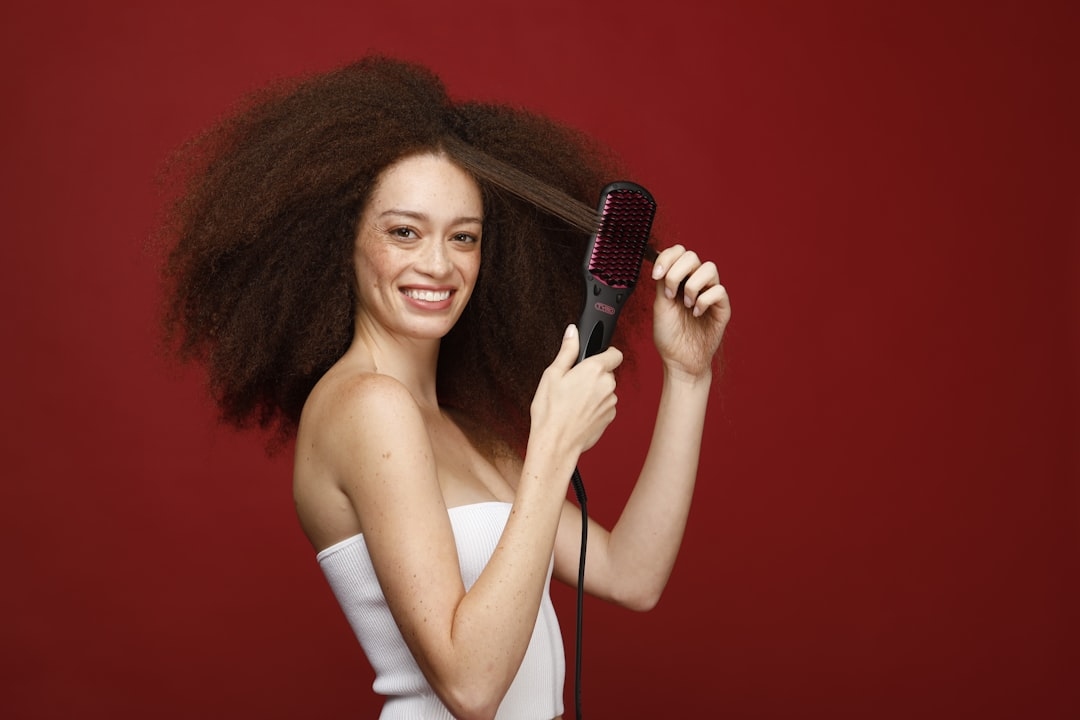
Barrel size determines curl size: 1-inch barrels create tight ringlets, 1.5-inch barrels create medium curls, and 2-inch-plus barrels create waves. For straight hair, a 1.25-inch to 1.5-inch barrel often works best. Look for ceramic or tourmaline-coated barrels to reduce frizz and heat damage. Quality heated tools from brands like GHD, Dyson, or Revlon range from £30 to £400 in the UK market.
Technique and Product Support
Apply heat protectant spray before styling—this creates a barrier between your hair and the heat source. Hold each section of hair around the barrel for 10–15 seconds depending on your hair thickness. Allow curls to cool completely in their coiled position before releasing them; warm curls will drop faster. A light hairspray applied after curls cool helps them hold through the day.
Natural and Low-Commitment Methods
Several approaches use your hair’s natural tendency to hold moisture in curved positions without heat or chemicals. These methods work best on hair with some underlying texture or moisture content.
Braiding and Twist-Out Methods
Braiding damp hair and leaving the braids in overnight creates a wavy pattern when unravelled. Tighter braids produce tighter waves. Similarly, twist-outs involve twisting damp sections of hair around each other, letting them dry, then unravelling for natural-looking texture. These methods require no heat or chemicals but produce subtle results on very straight hair.
Water-Based Setting Lotions and Gels
Water-based products without alcohol can enhance natural curl formation. Apply to damp hair, use a diffuser attachment on your hair dryer (or air-dry), and the curls will set as moisture evaporates. Results are gentle but usually subtle on straight hair.
Combining Methods for Better Results
Many people achieve impressive curl results by layering techniques. For example, combining a permanent wave with regular curling iron styling creates tighter, longer-lasting curls than either method alone. Similarly, applying setting lotion before heat-styling increases hold significantly.
A realistic timeline: if you use only temporary heat styling, you’ll see results immediately but they fade within 24 hours. Semi-permanent methods last 1–2 weeks. A permanent wave provides curls that persist until the hair grows out (6–12 months of visible curl, gradually diminishing as straight new growth appears).
Aftercare and Maintenance
How you care for your newly curled hair determines how long the curls last and how healthy your hair remains.
Washing and Conditioning
Use lukewarm water (not hot) and gentle, sulphate-free shampoos designed for curled or colour-treated hair. Wash infrequently if possible—aim for every 3–4 days rather than daily—as curls flatten with each wash. Deep conditioning treatments once weekly restore moisture lost during the curl-creation process.
Styling Between Treatments
Avoid sleeping with damp hair, which flattens curls. Use a silk or satin pillowcase or pineapple your hair (gather it loosely on top of your head) before bed to preserve curl definition. Refresh curls with a light mist of water and a curl-enhancing product rather than re-styling the entire head daily.
Hair Health Considerations
Creating permanent curls stresses your hair structure. Very fine or previously damaged hair may not withstand perming chemicals safely. Signs of hair damage include split ends, excessive breakage, or a thin, wispy appearance. Before pursuing permanent curls, address existing damage through deep conditioning treatments and minimal heat styling for 4–6 weeks.
A professional consultation with a qualified hairdresser or trichologist before any chemical treatment is worthwhile. They can assess your hair’s condition, predict how well it will respond, and recommend the safest approach.
Frequently Asked Questions
How long do permanent waves last on straight hair?
Permanent waves last indefinitely on the treated hair, but your hair grows approximately half an inch monthly. After 6–12 months, the straight new growth becomes noticeable. Many people refresh their perm every 8–10 weeks or combine permed hair with regular heat styling to maintain curl appearance.
Will a perm work on very fine, straight hair?
Fine hair is more delicate and prone to damage from perm chemicals. Success depends on the hair’s strength and health. Many stylists recommend a gentler formula or avoiding perms entirely on very fine hair, instead using semi-permanent methods or heat styling for safer results.
Can you make straight hair curly without chemicals?
Yes. Rollers, pin curls, braiding, and heat styling all create curls without permanent chemical changes. However, these methods produce temporary results (lasting hours to a few days). For longer-lasting curls without perming chemicals, consistent use of these methods or regular salon visits is necessary.
How much does it cost to make straight hair curly in the UK?
Temporary methods (heat tools, setting lotions) cost £5–40 for products. Professional salon treatments range from £40–150 for a permanent wave depending on hair length and salon tier. Maintenance treatments or touch-ups cost £25–80.
Is it possible to make straight hair curly permanently without damage?
All permanent curl methods involve some degree of structural change. Permanent waves do alter hair protein bonds irreversibly. Modern formulations are gentler than historical ones, and professional application minimises damage. However, “zero damage” is not realistic; proper aftercare prevents further deterioration.
Moving Forward: Your Curl Journey
Straight hair absolutely can become curly, and you have multiple pathways to achieve this. Permanent waves offer lasting transformation but require professional application and careful aftercare. Heat styling and temporary methods provide flexibility and reversibility. The best choice depends on your hair’s current condition, your lifestyle, and how long you want the curls to last.
If you’re ready to pursue curls, start by booking a consultation with a reputable salon. Bring photos of your desired curl pattern and be honest about your hair’s history. A skilled stylist will recommend the approach most likely to succeed on your specific hair type. Whether you choose permanent waves, regular heat styling, or temporary methods, achieving curls on straight hair is entirely possible with the right technique and care.
+ There are no comments
Add yours