




Contents:
- Understanding Bronde: More Than Just “In Between”
- The Different Types of Bronde Hair
- Warm Bronde
- Cool Bronde
- Balayage Bronde
- Money Pieces Bronde
- Who Should Consider Bronde Hair?
- The Cost of Achieving Bronde Hair in 2026
- Bronde Across the UK: Regional Considerations
- The Timeline for Bronde: Seasonal Scheduling
- Maintenance and Care for Bronde Hair
- Colour-Safe Products
- Toning
- Root Touch-Ups
- Sun Protection
- Common Questions About Bronde Hair
- Can you achieve bronde on very dark hair?
- How long does bronde last before fading?
- Is bronde good for fine or thin hair?
- Can you transition from bronde back to a single colour?
- Does bronde damage your hair more than single-colour?
- Making the Decision: Is Bronde Right for You?
You’re scrolling through Instagram and spot someone with hair that’s somehow both blonde and brunette at the same time. The colour seems to shift in different lighting, catching honey tones one moment and rich brown the next. That’s likely bronde—and if you’ve found yourself staring at those pictures thinking “I want that,” you’re not alone.
Bronde hair has become one of the most requested colour techniques in salons across the UK, and for good reason. It offers the best of both worlds: the brightness and lightness of blonde hair with the depth and richness of brown. Unlike more extreme colour contrasts, bronde feels naturally cohesive, flattering across various skin tones, and remarkably easy to maintain compared to other multi-tonal styles.
This guide explains exactly what is bronde hair, how it works, what you’ll pay, and whether it’s the right choice for your hair goals.
Understanding Bronde: More Than Just “In Between”
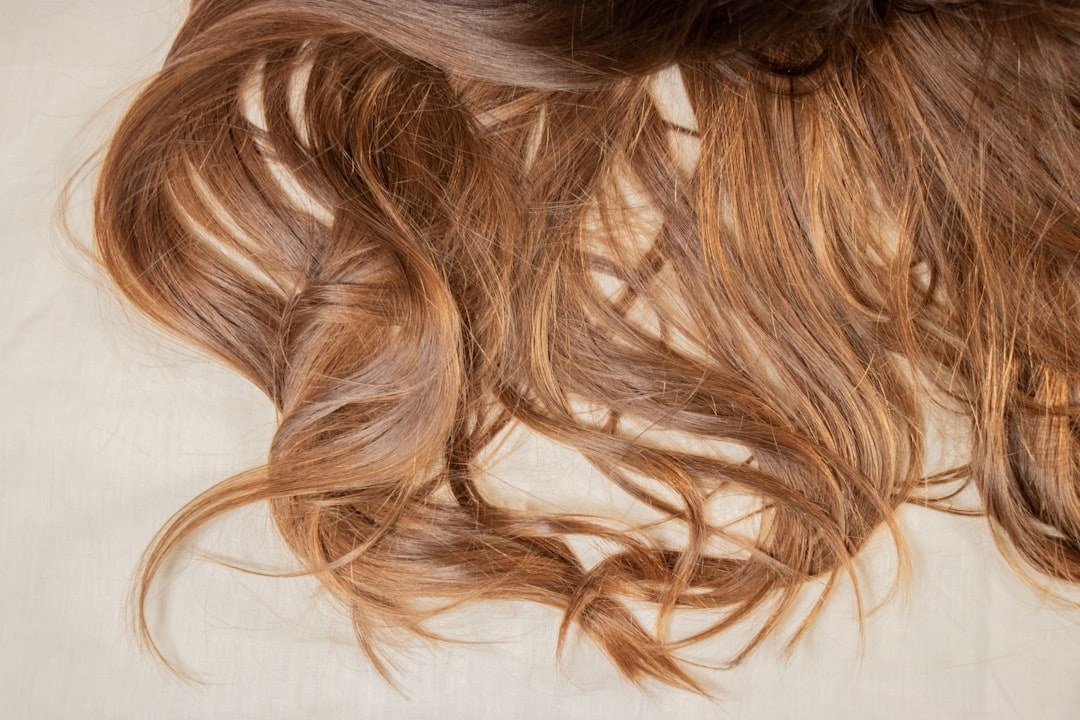
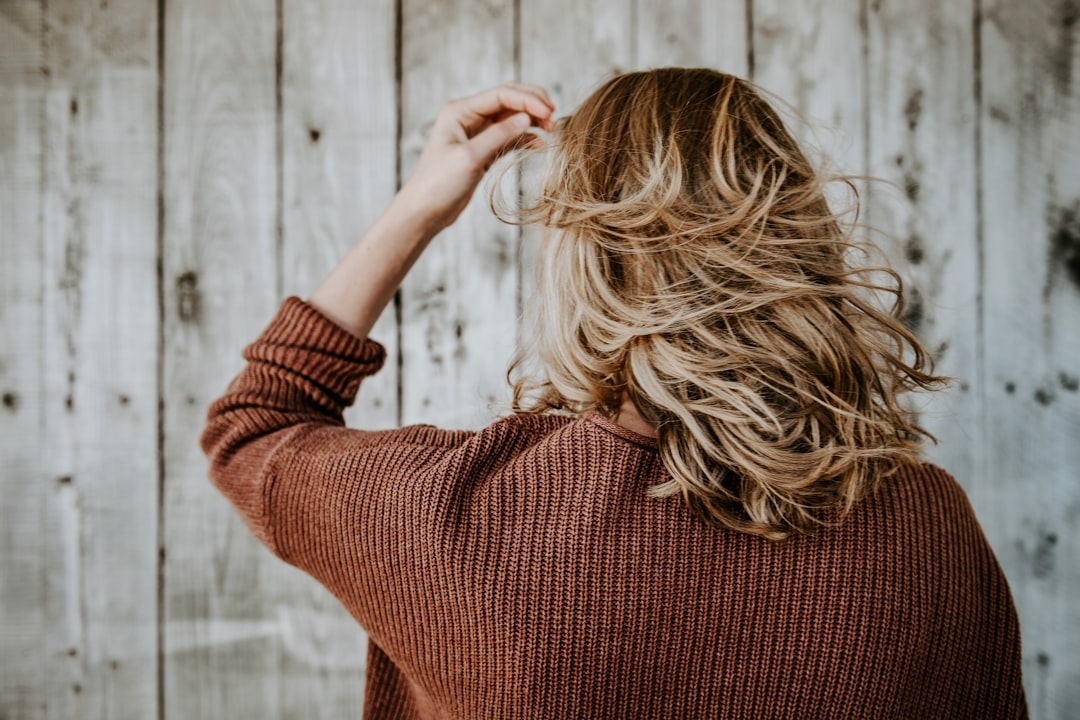
Bronde isn’t simply blonde and brown mixed together on a hair wheel. It’s a deliberate colour strategy that combines lighter blonde tones with deeper brunette shades to create dimension and movement.
Think of bronde as a sophisticated base colour with strategic highlights and lowlights. The base is typically a warm medium brown or dark blonde—something that covers your natural hair or creates a solid foundation. On top of that, colourists weave in blonde highlights, usually with a slight warmth to them (think honey, caramel, or golden tones rather than cool platinum). The lowlights are darker, sometimes matching the base or going slightly deeper.
The magic happens because these three tonal layers catch light differently. In sunlight, the blonde pieces shine through. Indoors or in shadow, the brunette tones become more prominent. This constant play between warm and cool, light and dark, is what makes bronde so visually interesting and why it photographs beautifully across different settings.
The Different Types of Bronde Hair
Bronde isn’t a one-size-fits-all colour. Several variations exist, each creating a different overall effect:
Warm Bronde
This version leans heavily into golden, honey, and caramel tones. The base is often a warm medium brown, and the highlights are buttery or honey-blonde. Warm bronde suits people with warm undertones in their skin, olive complexions, and those who naturally tan easily. It’s particularly popular on the West Coast of the USA and increasingly across Mediterranean-influenced regions of the UK.
Cool Bronde
This variation uses ashier, cooler-toned highlights paired with a cooler brunette base. The blonde pieces might have a slight platinum or ashy quality. Cool bronde flatters those with cool undertones, fair skin, and cooler natural colouring. It’s more common in northern regions and has strong appeal in Scandinavian-inspired aesthetics.
Balayage Bronde
Balayage is a hand-painted technique rather than a specific colour, but bronde works beautifully with it. The colourist paints blonde highlights freehand, creating a naturally sun-kissed effect layered over a bronde base. This approach feels less uniform than traditional foils and often looks like your hair has been naturally lightened by the sun.
Money Pieces Bronde
This style places bright blonde highlights specifically around the face (the “money pieces”), while the rest of the hair remains a darker bronde base. It draws attention to the face and requires less frequent touch-ups than full bronde, since regrowth is less visible.
Who Should Consider Bronde Hair?
Bronde works well for most people, but it shines particularly for those who:
- Want dimension without committing to full platinum blonde
- Prefer a more natural, lived-in aesthetic
- Have medium to thick hair (dimension shows better on textured hair)
- Want something versatile that suits both professional and casual settings
- Are hesitant about maintenance but want a multi-tonal effect
It’s worth noting that bronde requires some natural depth to show the contrast. If you’re starting from very light blonde hair, creating bronde means adding darker lowlights, which is less dramatic than adding blonde to dark hair. Conversely, if you’re very dark-haired, going full bronde means lifting significantly, which requires stronger processing.
The Cost of Achieving Bronde Hair in 2026
Pricing varies considerably depending on where you live and which salon you choose. Here’s a realistic breakdown for the UK market in 2026:
- Local salons (non-premium areas): £120–£200 for a full bronde colour application
- Mid-range city salons: £180–£350 for a quality bronde with multiple tonal layers
- Premium London salons: £300–£550+ for a specialist bronde treatment
- Top-tier salons with celebrity clientele: £400–£800+ per appointment
Most first-time bronde appointments take 3–4 hours. Maintenance appointments to refresh the blonde highlights typically cost £80–£250 every 6–10 weeks, depending on how visible your regrowth becomes and your colourist’s rates.
If you’re applying bronde yourself at home, you can expect to spend £25–£50 on professional-quality dyes and bleach, though the results will likely lack the nuance of a professional colour.
Bronde Across the UK: Regional Considerations
Bronde is popular throughout the UK, but aesthetic preferences vary by region:
London and the South East: Favour cooler, ashier brondes and money-piece styles that balance professional settings with high-impact fashion. Colourists here often work with international trends first.
Manchester, Birmingham, and the Midlands: Warmer brondes with more caramel and honey tones are popular. The region tends toward approachable, natural-looking colour work.
Scotland: Cool brondes suit the climate and landscape aesthetic. Many favour subtle bronde over high-contrast variations.
Wales and rural areas: Natural-looking bronde that enhances rather than transforms the hair is preferred. Warm undertones that complement outdoor, active lifestyles are common.
The Timeline for Bronde: Seasonal Scheduling

Timing matters when committing to bronde:
- Spring (March–May): The most popular season for colour changes. Book early; wait times at top salons extend to 4–6 weeks. Your bronde will look fresh through summer outdoor activities.
- Summer (June–August): Sun exposure intensifies blonde tones naturally but can fade colour faster. Popular for holiday-ready refreshes. Book 8–12 weeks ahead in busy areas.
- Autumn (September–November): Excellent time for root maintenance appointments. Warmer brondes feel seasonally appropriate. Easier to book appointments without long waits.
- Winter (December–February): Indoor lighting dominates, so the brunette tones of your bronde shine more. Perfect time to shift toward cooler brondes if desired. Best time for root touch-ups before spring.
Plan your first bronde appointment for late winter or early spring if you want to enjoy it through the brightest months without rush-booking.
Maintenance and Care for Bronde Hair
Bronde requires regular attention to stay vibrant:
Colour-Safe Products
Use sulphate-free shampoo and conditioner specifically formulated for colour-treated hair. Products like Olaplex, K18, or Redken Colour Extend prevent premature fading and keep blonde pieces bright whilst protecting the brunette tones from becoming dull.
Toning
Every 4–6 weeks, consider a toning treatment to neutralise brassy tones in the blonde sections and keep everything cohesive. A professional toning appointment costs £25–£60; at-home purple or blue-toning shampoos cost £8–£20.
Root Touch-Ups
Depending on your natural hair colour and how visible your roots are, aim for touch-ups every 6–10 weeks. Money-pieces bronde can stretch to 10–12 weeks because regrowth is less noticeable.
Sun Protection
UV damage fades bronde faster. Use leave-in conditioners with UV filters, wear hats in intense sun, and rinse chlorine out immediately after swimming. Products with built-in UV protection add minimal cost (usually £12–£25) but significantly extend colour longevity.
Common Questions About Bronde Hair
Can you achieve bronde on very dark hair?
Yes, but it requires multiple sessions. Very dark hair needs significant lifting (bleaching) to create visible blonde highlights. A colourist might recommend a first session creating the base brunette tone, then 2–4 weeks later, adding blonde highlights. This process costs more overall but prevents damage from processing dark hair excessively in one session.
How long does bronde last before fading?
With proper care, bronde can stay vibrant for 8–12 weeks. The blonde sections fade faster than the brunette, which is why touch-ups focus on refreshing the lighter tones. Blonde typically needs refreshing every 6–10 weeks; the brunette base can often stretch to 12 weeks.
Is bronde good for fine or thin hair?
Bronde works on fine hair, but dimension shows better on textured or thicker hair. If you have fine hair and want bronde, ask your colourist for a softer approach with fewer tonal layers to avoid overwhelming your hair’s natural texture.
Can you transition from bronde back to a single colour?
Absolutely. Bronde is actually excellent as a stepping stone if you’re unsure about committing to permanent changes. You can transition to solid blonde, solid brown, or any other colour. The existing tonal variation often helps you see what suits you before committing.
Does bronde damage your hair more than single-colour?
Bronde involves multiple processing steps, which technically means more chemical exposure than a single colour. However, many modern techniques and products minimise damage significantly. Quality salons using olaplex-infused dyes, bond-building treatments, and proper sectioning create beautiful bronde with minimal breakage. Budget-conscious at-home applications carry higher damage risk.
Making the Decision: Is Bronde Right for You?
Choosing bronde is about balancing three factors: your natural colouring, your lifestyle, and your commitment to maintenance.
If you love colour variation but find full blonde impractical, bronde splits the difference beautifully. If you want something that photographs well, feels modern, and works in professional settings, bronde delivers. If you’re willing to commit to every 6–10 weeks of maintenance and colour-specific product care, bronde rewards that effort with months of vibrancy.
Discuss your options thoroughly with a colourist who specialises in bronde. Bring pictures of brondes you love, mention your natural hair colour and texture, and be honest about how much maintenance you’ll realistically sustain. The best bronde is one that fits your life, not one that demands you transform your entire routine.
Start a consultation conversation with your stylist today—bronde could be exactly the colour refresh you’ve been considering.
+ There are no comments
Add yours