






Contents:
- Understanding Static Electricity and Hair Structure
- How to Get Rid of Static Hair: Immediate Solutions
- Use an Anti-Static or Ionic Hair Dryer
- Apply Moisture Immediately After Washing
- Brush with a Wooden or Paddle Brush
- Mist Your Hair with Water
- Seasonal Timeline: When Static Gets Worse
- Long-Term Prevention: Building Better Hair Habits
- Upgrade Your Shampoo and Conditioner Routine
- Deep Condition Weekly
- Reduce Heat Styling Frequency
- Change Your Pillowcase
- Expert Insight on Static Hair Solutions
- Product Recommendations by Budget
- Budget-Friendly Options (Under £20/month)
- Mid-Range Solutions (£20–£50/month)
- Premium Solutions (£50+/month)
- Common Static Hair Mistakes to Avoid
- Overwashing Your Hair
- Using Plastic Combs
- Applying Conditioner to Your Roots
- Ignoring Environmental Humidity
- FAQ: Common Questions About Static Hair
- Why is my hair so static in winter?
- Does hairspray help with static hair?
- Can I use fabric softener on my hair?
- How long does it take to reduce static hair?
- Is static hair permanent damage?
- Moving Forward: Your Static-Free Hair Plan
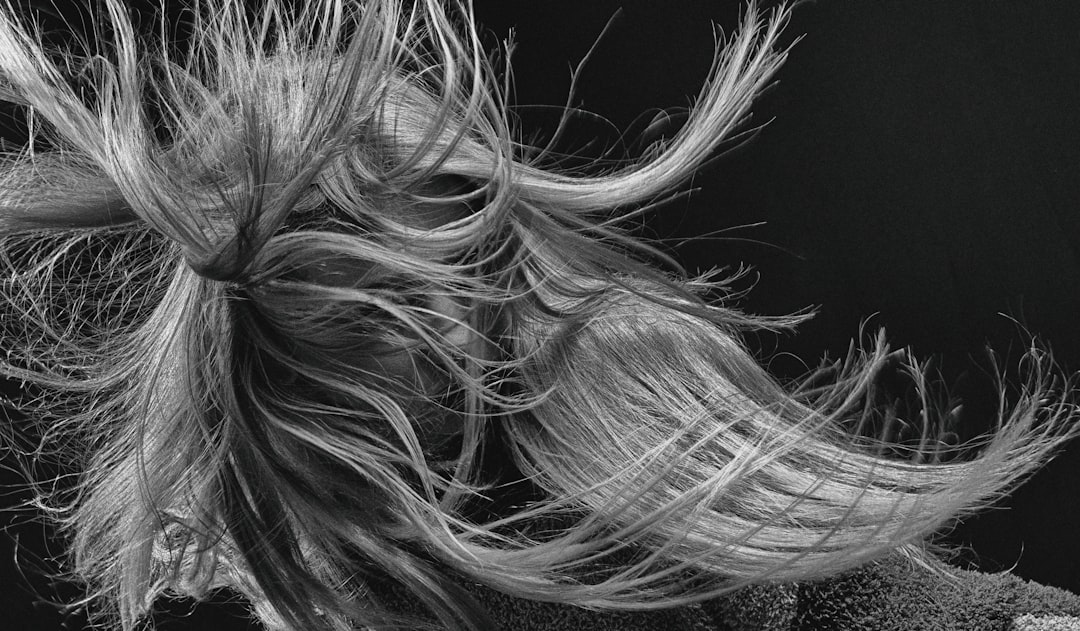
Picture this: you’ve just finished drying your hair, smoothing every strand carefully into place, only to watch it spring away from your head the moment your fingers approach. The crackling sound of static electricity fills the bathroom. Your once-sleek hair now resembles a halo of frizz. Static hair is one of those frustrating grooming problems that catches most people off guard, disrupting even the most meticulous styling routine.
Static hair occurs when your hair lacks moisture and gains an electrical charge—typically from friction during blow-drying, brushing, or friction against clothing and pillows. This charge causes individual hair strands to repel each other, creating the characteristic flyaway look. The problem intensifies during winter months and in low-humidity environments, but understanding the root causes helps you address it effectively.
Understanding Static Electricity and Hair Structure
Hair is a protein fibre composed of three layers: the outer cuticle, the cortex, and the medulla. The cuticle layer—the outermost shield—contains overlapping cells that reflect light and protect inner structures. When your hair is properly hydrated, these cuticle cells lie flat, creating a smooth surface that reflects light evenly and resists electrical charge.
Static electricity builds when electrons accumulate on your hair’s surface due to friction. Unlike conductive materials that allow electrons to flow freely, dry hair acts as an electrical insulator, trapping these charges. The result is the repulsion between individual strands as they all carry the same electrical charge, pushing away from one another.
Humidity plays a crucial role here. Water molecules in the air allow electrons to dissipate gradually, preventing charge buildup. This is why your hair behaves differently on rainy April afternoons compared to the dry, heated environments of January and February, when UK heating systems strip moisture from both air and hair.
How to Get Rid of Static Hair: Immediate Solutions
When static strikes unexpectedly, you need quick fixes that work within minutes. These immediate solutions address the electrical charge directly without requiring product changes or lengthy treatments.
Use an Anti-Static or Ionic Hair Dryer
Ionic hair dryers emit negative ions that neutralise the positive charge building on your hair during drying. This technology reduces static at the source rather than treating it afterwards. A quality ionic dryer costs between £40 and £150, and offers long-term value since you’re using it daily regardless. Models from brands like Dyson (£250–£400) provide premium ionic technology alongside other advanced features, but mid-range options deliver solid results for most users.
Apply Moisture Immediately After Washing
Damp hair is more receptive to hydrating products than completely dry hair. After shampooing, apply a leave-in conditioner, hair serum, or hydrating spray while your hair still contains 60–70% moisture. Products with glycerin, argan oil, or hyaluronic acid create a protective moisture barrier that prevents static buildup. Expect to spend £6–£18 per product, with most lasting 2–3 months with regular use.
Brush with a Wooden or Paddle Brush
Plastic brushes generate static through friction, while wooden brushes distribute natural scalp oils throughout your hair length. Boar bristle brushes offer the best antistatic properties because natural bristles don’t create the same electrical charge as synthetic materials. A quality wooden or boar bristle brush costs £12–£35 and lasts several years with proper care.
Mist Your Hair with Water
A simple spray bottle filled with filtered water provides instant relief. Lightly misting your styled hair reintroduces moisture to the surface, allowing accumulated electrons to dissipate. Keep a travel-sized spray bottle (£2–£4) in your bag for touch-ups throughout the day. For better results, add a few drops of hair serum or a teaspoon of fabric softener to the water.
Seasonal Timeline: When Static Gets Worse
Static hair problems follow predictable seasonal patterns in the UK. Recognising these patterns helps you plan preventative strategies:
- October–November: Central heating switches on, humidity drops sharply. Static begins appearing as dry air displaces moisture from hair and skin.
- December–February: Peak static season. Heating systems run constantly, indoor humidity often drops below 30%, and cold outdoor air is naturally drier. This period demands the most aggressive prevention strategies.
- March–April: Spring rains increase ambient humidity, naturally reducing static problems. However, sudden temperature fluctuations between heated indoors and cooler outdoors can trigger occasional static.
- May–September: High humidity and moderate temperatures keep hair naturally hydrated. Static problems largely disappear unless caused by air conditioning or heated styling tools.
Long-Term Prevention: Building Better Hair Habits
Upgrade Your Shampoo and Conditioner Routine
Static-prone hair requires moisture-focused cleansing products, not clarifying or volumising formulas that strip natural oils. Look for shampoos and conditioners containing humectants—ingredients that draw water into the hair shaft. Glycerin, propylene glycol, and urea are common examples. Sulfate-free formulas are gentler on hair and preserve the natural oils that prevent static.
Expect to spend £8–£20 per bottle for quality moisturising products. A typical bottle lasts 6–8 weeks with regular use. Investing in better products costs roughly £20–£40 monthly but often reduces the need for additional treatments.
Deep Condition Weekly
A weekly deep conditioning treatment rebuilds moisture reserves in your hair cortex. Apply the treatment to damp hair, focusing on mid-lengths and ends where static appears most visible. Leave it on for 15–20 minutes (or overnight for intensive treatment), then rinse thoroughly with cool water to seal the cuticle layer.
Deep conditioning masks cost £6–£15 per product and last 4–6 weeks with weekly use. The cumulative effect becomes visible after 3–4 weeks: reduced frizz, smoother texture, and dramatically less static response.
Reduce Heat Styling Frequency
Every pass with a hot tool strips moisture and creates friction that generates static. Air-drying your hair when possible preserves moisture better than blow-drying. On days you do heat style, apply a heat protectant spray first—these create a moisture seal that reduces both damage and static. Heat protectants cost £5–£12 and protect your hair from temperatures above 200°C.
Change Your Pillowcase
Cotton pillowcases create significant friction against hair during sleep, roughing up the cuticle layer and triggering static. Silk or satin pillowcases reduce this friction by up to 40%, allowing your hair to glide smoothly rather than catch and friction-build. A silk pillowcase costs £15–£40 and lasts several years. Beyond reducing static, silk pillowcases minimise creasing, reduce friction-based hair loss, and feel luxurious against skin.
Expert Insight on Static Hair Solutions
Sarah Mitchell, certified trichologist and hair therapist at London Hair Science Institute, explains: “Static hair indicates the cuticle layer has opened, revealing the cortex underneath. This happens when moisture content drops below 13%. The solution isn’t cosmetic—it’s hydration. Once you restore moisture balance to your hair shaft, static becomes a minor issue rather than a daily frustration. Most people see dramatic improvement within 3 weeks of consistent moisturising practices.”
Product Recommendations by Budget
Budget-Friendly Options (Under £20/month)
- Argan oil (£5–£8): Apply a few drops to damp hair ends. One bottle lasts 2–3 months.
- Glycerin-based leave-in spray (£4–£7): Dilute with water (1:3 ratio) for a budget-friendly antistatic mist.
- Wooden brush (£12–£18, one-time purchase): Eliminates the static-generating friction of plastic brushes.
Mid-Range Solutions (£20–£50/month)
- Ionic hair dryer (£50–£100, amortised over 3 years): Addresses static at the source during drying.
- Moisturising shampoo and conditioner set (£15–£25): Switch to hydrating formulas designed for dry, static-prone hair.
- Silk pillowcase (£20–£30, one-time purchase): Reduces friction damage and static buildup during sleep.
Premium Solutions (£50+/month)
- Professional-grade hair serum (£30–£60): Brands like Moroccanoil or premium salon lines offer advanced moisture technology.
- Dyson Supersonic hair dryer (£300–£400, one-time investment): Premium ionic technology with heat-damage protection.
- Professional salon treatments (£50–£150 per session, quarterly): Keratin treatments or protein-infusion therapies rebuild hair strength from within.
Common Static Hair Mistakes to Avoid
Overwashing Your Hair
Washing your hair daily or every other day strips natural oils that protect against static. Most hair types benefit from washing just 2–3 times weekly. On non-wash days, use dry shampoo to absorb excess oil and refresh texture without water-based cleansing.
Using Plastic Combs
Plastic creates static through friction. Even brief combing with plastic tools can trigger static buildup. If you must use a comb, choose metal or wooden options. Keep plastic combs for detangling wet hair (where static doesn’t occur) rather than styling finished hair.
Applying Conditioner to Your Roots
Conditioning the scalp weighs down hair and reduces volume without improving static problems. Concentrate conditioner and hydrating treatments on mid-lengths and ends, where moisture matters most for preventing static.
Ignoring Environmental Humidity
During heating season, mist your hair occasionally with water or use a humidifier in your bedroom to increase ambient moisture. A small humidifier (£20–£40) running for 8 hours nightly during winter months significantly reduces static occurrences.
FAQ: Common Questions About Static Hair
Why is my hair so static in winter?
Winter heating systems reduce indoor humidity to 20–30%, well below the 40–60% humidity that hair prefers. This dry environment causes rapid moisture loss from hair. Additionally, winter fabrics like wool and synthetic materials generate more friction than summer cotton clothing. The combination of low humidity and high friction creates ideal conditions for static buildup.
Does hairspray help with static hair?
Standard hairspray adds a stiff coating that can worsen static by trapping charges on the surface. Anti-frizz sprays containing silicone or hydrating ingredients offer better results. Look for hairsprays specifically labeled as “antistatic” or “humidity-resistant.” These formulas allow some electrical dissipation while holding style.
Can I use fabric softener on my hair?
Yes, but diluted. Mix one teaspoon of fabric softener into a spray bottle of water (approximately 250ml). Lightly mist your hair for immediate static reduction. Avoid applying undiluted fabric softener directly to hair, as it can leave residue and make hair greasy. This method costs pennies and provides surprising effectiveness.
How long does it take to reduce static hair?
Immediate fixes (water mist, wooden brush) work within minutes. Hydrating products show results within 1–2 days. Structural improvements (new conditioner routine, heat protectants) become noticeable within 1–2 weeks. Deep conditioning treatments require 3–4 weeks of consistent use before you notice dramatic changes in overall hair texture and static resistance.
Is static hair permanent damage?
No. Static hair reflects a temporary moisture imbalance, not permanent damage. Once you restore hydration through conditioning and proper care, static problems resolve. However, repeated friction from plastic brushes and constant heat styling eventually damages the cuticle layer, making hair more permanently prone to frizz and breakage.
Moving Forward: Your Static-Free Hair Plan
Eliminating static hair isn’t complicated—it requires understanding that static results from dry, electrically-charged hair. The most effective solutions restore moisture (through conditioning products and hydrating practices), reduce friction (with wooden brushes and silk pillowcases), and neutralise electrical charge (with ionic tools or water-based sprays).
Start with one or two changes this week: switch to a wooden brush and add a leave-in conditioner to your routine. These cost roughly £15–£20 combined and require minimal habit changes. After two weeks, assess whether static problems have improved. If not, upgrade your hair dryer to an ionic model or add a weekly deep conditioning treatment.
By understanding the seasonal patterns of static (peaking December through February), adjusting your routine accordingly, and investing in moisture-focused products, you can maintain smooth, static-free hair year-round. The key isn’t perfection—it’s consistency and choosing products and practices that prioritise hydration above all else.

+ There are no comments
Add yours