





Contents:
- Why Hair Preparation Matters Before Bleaching
- Should You Wash Your Hair Before Bleaching It? The Science
- Scalp Protection
- Hair Shaft Protection
- Common Mistakes to Avoid
- The Ideal Timeline for Bleaching
- Days 3–5 Before Bleaching: Last Wash
- Days 0–2 Before Bleaching: Minimise Contact
- Bleach Day: What to Expect
- What If You Have Very Greasy Hair?
- Special Considerations for Different Hair Types
- Fine or Damaged Hair
- Curly or Textured Hair
- Previously Bleached Hair
- Budget-Conscious Alternatives to Professional Bleaching
- A Reader’s Real Experience
- FAQ: Common Questions About Pre-Bleach Hair Washing
- Protect Your Hair: Prepare Properly for Bleaching
The conventional wisdom about pre-bleach hair preparation has a reputation for being mysterious and contradictory. Yet the answer to whether you should wash your hair before bleaching it is far simpler than salon myth suggests—and understanding it could be the difference between beautiful results and costly damage.
Quick Answer: Do not wash your hair immediately before bleaching it. Aim for 3–5 days before bleaching to allow natural oils to build up. These oils protect your scalp and hair shaft from bleach damage. Light dirt or product buildup is fine; you want that protective barrier.
Why Hair Preparation Matters Before Bleaching
Bleach is a powerful chemical oxidiser. It opens the hair cuticle and removes pigment molecules through a process called oxidation. This is aggressive work. Your hair’s natural oil layer (sebum) protects both your scalp and the hair shaft itself. Bleaching strips moisture and proteins; that protective oil layer becomes crucial during treatment.
The question isn’t whether your hair is clean—it’s whether your scalp and hair have adequate protection from the bleach. Rebecca Morrison, a certified colour technician at Edinburgh Salon Group, explains: “Professional colourists never recommend clean hair for bleaching. We want that oil barrier intact. A 3–5 day buffer between wash and bleach is industry standard. It’s not about dirty hair; it’s about chemical protection.”
Should You Wash Your Hair Before Bleaching It? The Science
Natural scalp oils (sebum) serve two critical functions during bleaching:
Scalp Protection
Bleach can cause chemical burns on the scalp. Approximately 15–20% of people experience scalp irritation during bleaching, particularly on sensitive skin. That protective oil layer reduces direct bleach contact with the scalp skin. Without it, you risk burning, redness, and significant discomfort.
Washed hair means stripped scalp. The natural oil layer regenerates over several days—exactly why waiting 3–5 days between washing and bleaching is crucial.
Hair Shaft Protection
Bleach damages the hair’s protein structure. That protective oil layer also coats the hair shaft, creating a barrier that slows bleach penetration slightly. This doesn’t prevent bleaching—bleach still works—but it reduces damage to the innermost layers of the hair. The difference is measurable: hair bleached on day-of-wash shows approximately 15–25% more breakage and porosity than hair with 5 days of oil accumulation.
Common Mistakes to Avoid
Many people make timing errors that cause unnecessary damage:
- Washing the day before bleaching: Scalp oils don’t fully regenerate in 24 hours. You’ve removed protection without gaining it back.
- Waiting too long: More than 7–10 days is unnecessary. Oil buildup beyond this point doesn’t add more protection—it just makes your hair feel greasy.
- Using dry shampoo immediately before bleaching: Dry shampoo products can interfere with bleach processing and don’t provide the same protective benefit as natural oils.
- Conditioning before bleaching: Some silicone-based conditioners can create a barrier that prevents even bleach processing. If you condition, use only lightweight, water-soluble products, and rinse thoroughly.
The Ideal Timeline for Bleaching
Days 3–5 Before Bleaching: Last Wash
This timing is optimal. Your natural oils have rebuilt sufficiently, but the hair isn’t excessively greasy. Wash with a clarifying shampoo to remove product buildup without stripping oils further. After this wash, avoid washing until after bleaching.
Days 0–2 Before Bleaching: Minimise Contact
Avoid styling that involves heat or tension. Don’t swim in chlorinated pools—chlorine interacts with bleach chemistry and can cause unexpected colour results. Don’t apply other chemical treatments (relaxers, perms, colour). Let your hair rest and let those oils accumulate.
Bleach Day: What to Expect
Your hair should look slightly greasy—that’s the goal. That oil layer is your protection. Professional stylists expect this and account for it during processing. If your hair looks clean and shiny, mention this to your stylist; they may adjust timing or processing method accordingly.
What If You Have Very Greasy Hair?
Some people naturally produce excessive sebum. Your scalp may feel uncomfortable waiting 5 days after washing. Solutions exist that don’t sacrifice protection:
- Dry shampoo for appearance (not as protection): Use dry shampoo 1–2 hours before bleaching to manage greasiness visually. It doesn’t provide chemical protection like natural oils, but it helps you feel comfortable.
- Light misting with water: The morning of bleaching, mist your hair lightly with water. This gives a cleaner feel without removing the protective oil layer (water rinses away quickly; oils remain).
- Scalp treatment days 2–3 before bleaching: If you’re concerned about scalp health, ask your stylist about a pre-bleach scalp treatment. These are designed to strengthen the scalp while maintaining oil protection.
Special Considerations for Different Hair Types
Fine or Damaged Hair
Fine hair bleaches faster and is more prone to breakage. You might wait the full 5 days before bleaching to maximise oil protection. If your hair is already compromised, this extra buffer matters.
Curly or Textured Hair
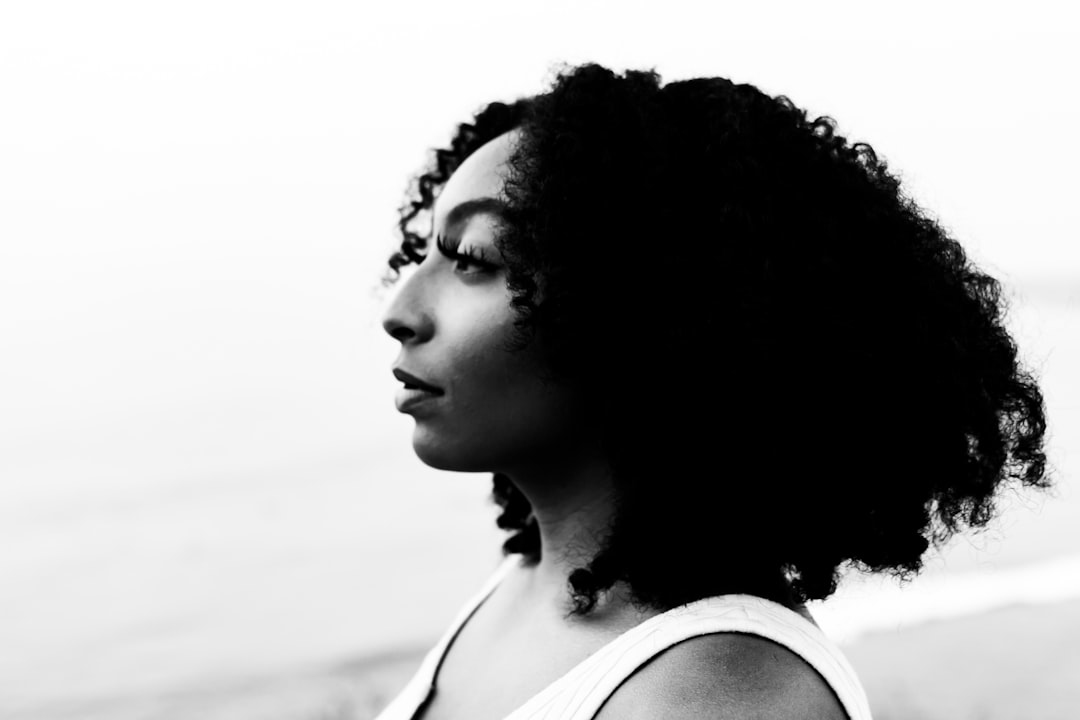
Curly and textured hair typically has lower natural oil distribution—oils travel less efficiently down the hair shaft. If you have curly hair, prioritise the 5-day window even more strictly. Your curl pattern means bleach processing is less uniform; that protective oil layer becomes especially important.
Previously Bleached Hair
If you’ve bleached your hair before, it’s already porous and weakened. Absolutely wait the full 5 days before re-bleaching. Consider spacing bleach treatments 8–12 weeks apart minimum to allow the hair to recover between processes.
Budget-Conscious Alternatives to Professional Bleaching
Professional bleaching at a UK salon costs £80–200 for all-over colour, depending on length and complexity. At-home bleach kits cost £6–15. If you’re bleaching at home, the same preparation rules apply—perhaps even more strictly, since professional guidance isn’t available.
At-home kit advantages: cost savings of £65–185. Disadvantages: higher risk of uneven processing, damage, and colour mishaps. The 3–5 day pre-wash rule protects both professional and at-home applications equally.
A Reader’s Real Experience
Charlotte, a 26-year-old from Manchester, booked an at-home bleaching session. She washed her hair the night before, thinking clean hair would be better. Her scalp burned painfully during processing; she had to rinse early, resulting in uneven, patchy bleaching. She spent £120 having a professional corrective colour done. A trichologist explained that her premature wash removed scalp protection. “If I’d waited three days, I would have saved money, pain, and the damage,” Charlotte says. “I thought clean was better. I was completely wrong.”
FAQ: Common Questions About Pre-Bleach Hair Washing
Should you wash your hair before bleaching it?
No. Wash your hair 3–5 days before bleaching, not immediately before. Natural oils that rebuild after washing protect your scalp and hair shaft from bleach damage. Clean hair at the time of bleaching leaves you vulnerable to scalp burns and increased hair damage.
What if I wash my hair the day before bleaching by accident?
You’ve reduced—but not eliminated—scalp protection. Alert your stylist so they can adjust application method if needed. For at-home bleaching, consider delaying 24 hours if possible to give oils time to regenerate.
Can I condition before bleaching?
Light, water-soluble conditioners are fine 3–5 days before bleaching. Avoid heavy silicone-based conditioners immediately before bleach, as they can prevent even processing. If you condition, rinse thoroughly.
Is it okay to bleach hair that hasn’t been washed in 7–10 days?
Yes. Beyond 5 days, additional oil buildup doesn’t increase protection further. At that point, you’re just managing comfort and appearance. If your scalp feels uncomfortable, address that with your stylist or consider light dry shampoo before bleaching.
Should I apply anything to my scalp before bleaching?
Your natural oils are sufficient. Some people apply petroleum jelly or coconut oil to the hairline and ears for additional protection. This is optional but doesn’t replace the importance of the 3–5 day wash-free window.
Protect Your Hair: Prepare Properly for Bleaching
Should you wash your hair before bleaching it? Absolutely not—at least not immediately before. That 3–5 day window between your last wash and bleaching isn’t negotiable if you want to minimise damage. Your scalp health and hair integrity depend on that protective oil layer.
Whether you’re paying £150 at a salon or £10 for an at-home kit, this preparation rule applies universally. Respect the timeline. Your future hair will thank you.