

Contents:
- What Would You Look Like With Silver Hair?
- Understanding Silver Hair vs. Blonde Hair
- The Key Distinction: Cool Tone vs. Warm Tone
- Hair Level System Explained
- The Path to Silver Hair: Timeline and Sessions
- Session One: Initial Lightening
- Session Two and Beyond: Progressive Lightening
- The Final Toning Session
- How to Get Silver Hair: Methods Compared
- Professional Salon Services (Recommended for First-Time Lightening)
- Professional Lightening With DIY Toning (Cost-Saving Hybrid)
- Complete At-Home Lightening and Toning
- Step-by-Step Process: How to Get Silver Hair at Home (For Already-Light Hair)
Preparation Week
- Gathering Supplies
- Sectioning and Application
- Rinsing, Conditioning, and Assessing
- Toning for True Silver
- Regional Considerations and Maintenance Differences
- Hard Water Effects on Silver Hair
- Soft Water Regions (Scotland, Wales, Parts of the North)
- Maintaining Silver Hair: Weekly and Monthly Routines
- Weekly Care
- Monthly Maintenance
- Seasonal Adjustments
- Understanding Silver vs. Ash Blonde vs. Platinum Blonde
- Silver Hair
- Ash Blonde
- Platinum Blonde
- Cost Breakdown: Year One vs. Ongoing
- Common Mistakes and How to Avoid Them
- Using Wrong Toner Undertone
- Over-Processing Bleach
- Bleaching Too Frequently
- Neglecting Maintenance After Lightening
- Starting With Very Dark Hair and Attempting DIY
- FAQ Section
- How long does it take to get silver hair?
- Can you get silver hair without bleach?
- How often do you need to tone silver hair?
- Is silver hair damaging?
- What’s the cheapest way to get silver hair?
- Your Silver Hair Transformation Awaits
What Would You Look Like With Silver Hair?
Silver hair has transformed from a symbol of ageing into a bold, desirable aesthetic choice. In 2026, people across all ages deliberately pursue silver, platinum, and ash-toned hair for the striking, sophisticated appearance it creates. Getting silver hair requires specific knowledge about lightening, toning, and maintenance. The process differs significantly from achieving other blonde shades because true silver requires both reaching a pale blonde base and then applying cool-toned pigment. This guide reveals exactly how to get silver hair, whether through professional services or at-home methods, with honest assessments of cost, damage, timeline, and realistic outcomes. Silver hair isn’t unattainable—it requires commitment and precision, but the result is genuinely striking.
Understanding Silver Hair vs. Blonde Hair
The Key Distinction: Cool Tone vs. Warm Tone
Many people confuse silver hair with regular platinum blonde. The difference lies entirely in undertone. Platinum blonde can have warm undertones (appearing yellowish or golden). Silver hair has cool undertones (appearing blue, violet, or grey). This undertone difference requires different toning strategies. To achieve true silver, you need to: (1) lighten the hair to a very pale blonde (level 8-10 on the hair colour scale), and (2) apply cool-toned toner that deposits blue, violet, or ash pigment. Without both steps, you’ll have pale blonde rather than silver.
Hair Level System Explained
The hair colour scale ranges from 1 (black) to 10 (palest blonde). Silver hair typically requires reaching level 9-10 (very pale blonde, sometimes described as “white-blonde”). To reach this from natural hair colour, you must lift 7-9 levels, requiring multiple bleaching sessions spaced weeks apart. The starting point matters significantly: starting from level 4 (medium brown) requires 5-6 bleaching sessions. Starting from level 6 (light brown) requires 3-4 sessions. Starting from level 8 (light blonde) requires 1-2 sessions. Your natural colour or current hair colour determines how many sessions you’ll need.
The Path to Silver Hair: Timeline and Sessions
Session One: Initial Lightening
The first bleaching session typically lifts 2-4 levels depending on developer strength and processing time. Most people using 20-volume developer (standard strength) achieve 2-3 levels of lift. The result might be a medium blonde if you started from dark brown. This session takes 45-90 minutes (application 20 minutes, processing 25-40 minutes, rinsing and conditioning 15-20 minutes). Cost at a UK salon: £60-100 for full head. DIY cost: £15-25 (bleach, developer, toner).
Session Two and Beyond: Progressive Lightening
Most people require 2-3 additional sessions spaced 4-6 weeks apart to reach level 9-10. Sessions are less intense than the first because you’re lightening already-bleached hair (which processes faster) rather than virgin hair. Processing time decreases to 20-30 minutes per session. The time between sessions is crucial—bleached hair needs recovery time, and attempting to bleach hair again before 4 weeks risks severe damage and breakage. Timeline: reaching true silver from medium brown takes approximately 3-4 months (September to December, for example). Starting from lighter hair (medium blonde) takes 6-8 weeks.
The Final Toning Session
Once you reach pale blonde (level 9-10), toning determines whether the result is warm, neutral, or cool-toned silver. A toner is applied for 15-30 minutes, then rinsed. Toning can happen the same day as bleaching or days later. Most professionals recommend waiting until the next day to avoid overlapping processing and damaging hair. Toning cost at a salon: £25-50. DIY: £8-15 for quality toner. The correct toner is essential—using a warm-toned toner on pale blonde creates pale blonde with warm undertones (not silver). Using a cool, violet, or ash-toned toner creates true silver.
How to Get Silver Hair: Methods Compared
Professional Salon Services (Recommended for First-Time Lightening)
A salon colorist assesses your hair, determines the number of sessions needed, manages the timeline, and handles toning expertly. Advantages: professional application, lower failure risk, expert damage mitigation, and colour-matched toning. Disadvantages: highest cost (£200-400 total for the full process) and appointment scheduling required. Timeline: 3-4 months spread across multiple appointments. Most UK salons experienced with silver require a consultation to assess hair health before committing. This consultation (sometimes free, sometimes £20-40) takes 20-30 minutes. Budget £50-120 per session × 2-3 sessions = £150-360 for lightening, plus £30-50 for toning.
Professional Lightening With DIY Toning (Cost-Saving Hybrid)
Many people lighten professionally, then tone at home to save money. Once hair reaches level 9-10, toning is relatively straightforward—you simply apply the toner, process, and rinse. This approach costs 30-40% less than full professional service (approximately £100-220 total) whilst maintaining professional lightening quality. The risk: selecting the wrong toner undertone (using a violet toner on hair that needs blue, or vice versa). Study colour theory or consult the salon colorist before purchasing toner independently.
Complete At-Home Lightening and Toning
Achieving silver entirely at home costs £40-60 total (bleach, developer, toner across all sessions). This approach requires: careful following of instructions, appropriate sectioning, realistic expectations about achieving level 9-10, and willingness to retry sections if needed. At-home risks: uneven lightening (some sections lighter than others), over-processing from enthusiastic application, and breakage from repeated bleaching. Most at-home attempts require professional correction if anything goes wrong, negating the cost savings. Reserve at-home lightening for hair already at level 7-8 (light blonde) that only needs 1-2 sessions to reach silver-ready paleness.
Step-by-Step Process: How to Get Silver Hair at Home (For Already-Light Hair)
Preparation Week
One week before bleaching, begin intensive conditioning. Deep condition 2-3 times (£4-8 per mask from Boots). Stop using heat tools. Ensure your hair is in the best possible condition because bleaching damages even healthy hair. Two days before bleaching, wash your hair to remove product buildup, but let natural oils resurface. Do a patch test 48 hours before full application by mixing bleach and developer, applying a small amount behind your ear, and waiting 48 hours. This identifies allergic reactions before you’re committed.
Gathering Supplies
You’ll need: bleach powder (£4-8), developer in appropriate volume (20-volume is safest: £3-5), plastic mixing bowl (£2-4, reusable), applicator brush (£3-6, reusable), sectioning clips (£2-3), protective gloves (included in most kits), old towel (reuse), petroleum jelly or barrier cream (£3-5), timer, and toner (£8-15). Total for first application: £30-50. Subsequent applications use the same tools plus new bleach, developer, and toner, costing £15-25 per session.
Sectioning and Application
Divide hair into 6-8 sections using clips. Mix bleach and developer in exact proportions specified on the package. Apply petroleum jelly along your hairline and ears. Using the applicator brush, apply bleach to roots first (where hair processes fastest due to scalp heat). After completing all roots, apply bleach to mid-lengths and ends. Ensure every strand is saturated. Setting a timer is critical—processing time determines lightening. Most formulas recommend 25-45 minutes. For light hair (level 7-8), start at 25 minutes. Check at 20 minutes to monitor progress. Stop processing the moment you reach your target paleness. Over-processing doesn’t lighten further; it only damages hair.
Rinsing, Conditioning, and Assessing
Rinse with cool water until it runs completely clear. Apply the conditioning treatment included in most bleach kits (or use a deep conditioner). Leave it on for 2-3 minutes. Rinse again. Gently towel-dry and allow hair to air-dry completely before assessing colour. Wet hair appears darker than dry hair, so you cannot judge the final lightness until fully dry.
Toning for True Silver
Once hair reaches pale blonde (level 9-10), apply toner. Choose a cool-toned toner (violet, ash, or silver-toned). Apply it like you would conditioner: evenly throughout the hair, ensuring full saturation. Process for 20-30 minutes depending on the specific product. Rinse with cool water. Condition again. Dry and assess. The result is silver hair—cool-toned, pale, and striking.
Regional Considerations and Maintenance Differences
Hard Water Effects on Silver Hair
Hard water (containing high mineral content) affects silver hair dramatically. In regions with hard water (much of southern and central England), minerals deposit on the pale blonde base, causing silver to appear dull, yellowed, or brassy within 2-3 weeks of toning. People in hard-water areas (London, Birmingham, Manchester regions) benefit from: (1) chelating shampoos (£4-8) used twice monthly to remove mineral buildup, and (2) more frequent toning (every 2-3 weeks instead of every 4 weeks). This increases maintenance costs significantly—approximately £15-20 monthly for toning versus £8-12 in soft-water areas.
Soft Water Regions (Scotland, Wales, Parts of the North)
Soft-water areas preserve silver colour longer. Toning every 4 weeks (versus 2-3 weeks in hard-water areas) maintains colour adequately. Maintenance costs are slightly lower, and the aesthetic stays truer to the intended silver tone without constant battle against mineral deposits.
Maintaining Silver Hair: Weekly and Monthly Routines
Weekly Care
- Shampoo frequency: Wash only 1-2 times weekly using colour-safe shampoo. More frequent washing fades toner and damages already-processed hair.
- Conditioner every wash: Use colour-safe conditioner (£3-6 per bottle from Boots). Silver hair is highly porous and dries easily.
- Deep conditioning: Once weekly, use a deep conditioner mask (£4-8) for 15-20 minutes. This maintains moisture and prevents brittleness.
- Avoid heat: Air-dry whenever possible. If you must blow-dry, use heat protectant spray (£4-8).
Monthly Maintenance
- Toning: Professional toning costs £25-50 monthly. DIY toning (once you’re experienced) costs £8-15. Toning every 3-4 weeks is necessary because silver fades to yellow-toned blonde without regular toning.
- Trim: Get a 0.5-inch trim every 4 weeks. Silver hair shows damage very visibly, and regular trims prevent split ends from being noticeable.
- Chelating shampoo (hard-water regions only): Use twice monthly to remove mineral buildup that yellows silver.
Seasonal Adjustments
Summer sun (May-August) accelerates toner fading. Increase toning frequency to every 2-3 weeks during summer. Use UV-protective hair spray (£4-8) if you spend time outdoors. In winter, indoor heating dries hair further—intensify deep conditioning to 2 times weekly. Most UK people find silver hair requires more intensive maintenance in summer (every 2 weeks toning) and moderate maintenance in winter (every 4 weeks toning).
Understanding Silver vs. Ash Blonde vs. Platinum Blonde
Silver Hair
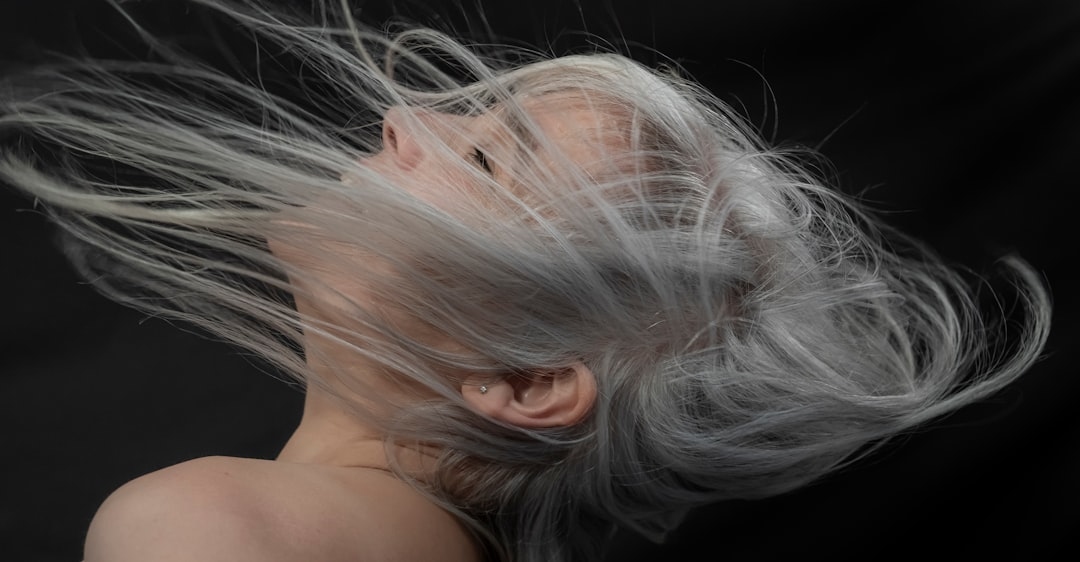
Cool-toned, pale blonde with blue, violet, or grey undertones. Appears metallic or jewel-toned. Requires the most intense toning and maintenance. Most striking and fashion-forward appearance. Fades to yellow-blonde within 3-4 weeks without toning.
Ash Blonde
Pale blonde with subtle cool undertones but slightly more muted than silver. Less maintenance than silver (toning every 4-6 weeks). Appears sophisticated but less dramatic. Good compromise for those wanting cool tones without silver’s intensity.
Platinum Blonde
Can be cool or warm-toned. If warm-toned, appears creamy or golden. If cool-toned, approaches silver but slightly less icy. Lighter and less yellow-prone than ash blonde but less vibrant than true silver. Easier maintenance than silver.
Cost Breakdown: Year One vs. Ongoing
Let’s compare realistic annual costs for maintaining silver hair in 2026 UK pricing:
- Professional initial lightening (3 sessions): £60-120 per session = £180-360
- Professional toning (first session): £30-50
- Monthly maintenance toning (professional): £30 × 12 = £360 annually
- Colour-safe shampoo and conditioner: £5-6 per month = £60-72 annually
- Deep conditioning masks: £6 × 4 monthly = £288 annually
- Regular trims (£12 every 4 weeks): £156 annually
- Chelating shampoo (hard-water areas only): £6 × 2 monthly = £144 annually
- UV protection sprays (summer only): £8 × 3 months = £24 annually
Year one total (initial lightening + first year maintenance): £1,000-1,250. Subsequent years (maintenance only): £800-900 annually. This is a genuine commitment. Budget-conscious people should acknowledge that silver hair is a premium aesthetic requiring premium ongoing investment.
Common Mistakes and How to Avoid Them
Using Wrong Toner Undertone
Applying warm-toned or neutral toner to pale blonde creates pale blonde, not silver. You must use specifically cool-toned toners (marketed as “silver,” “ash,” or “violet”). Check product descriptions carefully. Brands like Wella T18 (£8-12), Schwarzkopf Igora Royal (£10-15), and Revlon Colour Fusion (£6-10) all offer silver-toning options in UK shops.
Over-Processing Bleach
Processing bleach longer than recommended doesn’t lighten further—it damages hair. Follow timing exactly. Check progress at minimum time, then decide if additional processing is needed. Most problems result from impatience or over-enthusiasm with bleach.
Bleaching Too Frequently
Spacing sessions less than 4 weeks apart causes cumulative damage leading to breakage and severe brittleness. Even if you’re eager to reach silver quickly, respecting the 4-6 week spacing prevents hair catastrophe.
Neglecting Maintenance After Lightening
Silver hair demands intensive conditioning and frequent toning. People who lighten to silver then treat it like regular hair lose their investment within weeks as it yellows and becomes dry and brittle. Commit to maintenance before committing to lightening.
Starting With Very Dark Hair and Attempting DIY
Moving from black or very dark brown to silver requires 4-6 professional sessions minimum. DIY attempts on dark hair frequently result in uneven, brassy, or damaged hair requiring expensive correction at a salon. Reserve DIY for hair already at level 6+.
FAQ Section
How long does it take to get silver hair?
3-4 months on average, requiring 2-3 lightening sessions spaced 4-6 weeks apart, plus toning. Timeline varies based on starting colour: light hair may achieve silver in 6-8 weeks; dark hair may need 4-6 months or longer.
Can you get silver hair without bleach?
No. Silver requires reaching level 9-10 (very pale blonde), which cannot be achieved without bleach. Single-process permanent dyes and semi-permanents don’t lighten sufficiently to create silver appearance on natural or previously dark hair.
How often do you need to tone silver hair?
Every 2-4 weeks depending on water hardness and sun exposure. In hard-water areas or during summer, tone every 2-3 weeks. In soft-water areas or during winter, every 4 weeks is adequate. Without regular toning, silver fades to brassy blonde within 3-4 weeks.
Is silver hair damaging?
The lightening process damages hair—no way around that. However, damage is manageable with intensive conditioning, appropriate spacing between sessions, and proper maintenance. Most people maintain healthy-looking silver hair despite the lightening through careful aftercare.
What’s the cheapest way to get silver hair?
Professional lightening (more reliable, lower failure risk) followed by DIY toning (you apply toner at home). This costs approximately £200-300 initially and £60-120 annually for maintenance toning, roughly 40-50% less than full professional service.
Your Silver Hair Transformation Awaits
Learning how to get silver hair transforms an aspirational look into an achievable goal. Whether you choose professional services or take the DIY route, the principles remain: lighten progressively to level 9-10, tone with cool-toned pigment, and commit to intensive maintenance. In 2026, silver hair is achievable across all budgets—you simply need to choose your budget level and adjust expectations accordingly. Those investing £1,000+ yearly achieve salon-quality silver maintained by professionals. Those investing £300-500 yearly can achieve silver through professional lightening and DIY maintenance. Silver hair suits determined, maintenance-focused people who enjoy hair care as part of their routine. If you’re ready to transform your hair into a striking, icy-toned aesthetic, start by consulting a colorist about your timeline and budget, then commit fully to the process and maintenance that follows.
+ There are no comments
Add yours