





Contents:
- Quick Answer Box
- Why Straight Hair Lacks Volume
- How to Add Volume to Straight Hair: The Blow-Dry Technique
- Step 1: Preparation and Moisture
- Step 2: Section Your Hair
- Step 3: Blow-Dry the Roots
- Step 4: Cool Shot
- Step 5: Repeat on All Sections
- Cut and Styling: Strategic Hair Removal
- Longer Layers for Crown Volume
- Texture at the Ends
- Avoid Overgrowth
- Product Strategy: Volume Without Weight
- Regional Styling Variations Across the UK
- Styling in Limited Space: Apartment-Friendly Techniques
- Time Investment and Frequency
- FAQ
- How long does volume last in straight hair after blow-drying?
- What’s the best round brush size for adding volume?
- Can you add permanent volume to straight hair with treatments?
- Does hair type affect volume potential?
- Is a round brush necessary or can you use a regular blow-dry without tools?
- Your Volume Transformation Starts Now
Straight hair can look flat and limp, sitting against your scalp like it has given up. You’re not imagining it—straight hair genuinely struggles with volume because nothing creates natural lift like waves or curls do. But here’s what’s rarely said: you can create genuine volume in straight hair using specific techniques that work regardless of hair type or apartment size.
Learning how to add volume to straight hair requires understanding that volume comes from three sources: blow-dry technique, strategic cutting, and products that create hold without weight. Salon stylists know these secrets. Now you will too.
Quick Answer Box
The fastest path to volume: Blow-dry your roots using a round brush and upward motions against natural hair growth. Use volumising mousse before drying. Ask your barber for longer layers (especially at the crown). These three changes create visible volume within days, costing under £30 combined.
Why Straight Hair Lacks Volume
Straight hair has no natural texture or lift. Curly or wavy hair creates volume naturally because waves interrupt smoothness, trapping air and creating perceived fullness. Straight hair lies flat, allowing light to pass straight through without scattering. Visually and physically, it appears thinner and flatter than it actually is.
Additionally, gravity works against straight hair. The weight of hair pulls downward without any wave or curl structure to resist. Fine straight hair is particularly vulnerable—it can feel heavy and collapse within hours of styling.
Scalp flatness is the real culprit. If you have volume only at the ends but flatness at the roots, that’s a blow-dry technique problem. Professional stylists prioritise root lift because that’s what creates the overall impression of volume. Ends can be quite sleek; roots must have lift.
How to Add Volume to Straight Hair: The Blow-Dry Technique
This is the foundation. Even the best haircut won’t look voluminous if you blow-dry incorrectly. Most people blow-dry downward (in the direction of hair growth). This is the fastest method but creates maximum flatness. Stylists blow-dry against the grain—upward—to create lift that lasts for hours.
Step 1: Preparation and Moisture
Towel-dry your hair until roughly 70% damp (not soaking, not dry). Apply a volumising mousse to the roots and mid-lengths, avoiding the ends. Products like Tresemmé Volumising Mousse (£3-4 at supermarkets) or Umberto Giannini Curl Jelly (£6) create hold and texture.
Work the product through with your fingers, scrunching upward at the roots. This distributes product and creates initial lift before blow-drying even starts.
Step 2: Section Your Hair
Divide your hair into four quadrants using clips. Start with the back sections—they’re less visible, so you’ll build technique before working on front pieces where mistakes are obvious.
Step 3: Blow-Dry the Roots
Unclip the first back section. Hold a round brush or barrel at the root area. Aim your blow dryer at the brush from below, pointing upward and slightly away from your scalp. This creates lift by pushing hair away from the scalp and training it to stand slightly away.
Move the brush slowly upward, following the hair growth direction but working against gravity. Spend extra time (30-45 seconds per section) at the roots. This is where volume happens. Quick passes don’t create lasting lift.
Once you reach mid-length, switch to a straight concentrator nozzle (not diffuser) and direct airflow downward to seal the cuticle and add shine. This takes 10-15 seconds per section.
Step 4: Cool Shot
This is essential. Use cool air (or the cool button if your dryer has one) to blast each section for 5-10 seconds. The cool air sets the lift and shape in place. Without cooling, volume relaxes within 30 minutes as hydrogen bonds reset.
Step 5: Repeat on All Sections
Work systematically through all four sections using the same technique. By the final sections, your hand will feel steadier and your timing better. The back sections will have excellent lift by the time you reach the front.
For front sections around the face, be particularly careful. Use a smaller round brush and very deliberate upward motions. Front volume frames your face and is the most visible.
Cut and Styling: Strategic Hair Removal
A great blow-dry creates volume temporarily. A great cut creates volume that lasts all day and is easier to maintain. The right haircut is genuinely important.
Longer Layers for Crown Volume
Avoid blunt cuts where all hair is the same length. Instead, ask your barber for longer layers, particularly concentrated around the crown (the highest point of your head). Longer layers at the crown create stacking—multiple layers of hair sitting at slightly different lengths, creating perceived thickness and volume.
Specifically request: longer layers at the crown, gradual layering down the sides, and slightly shorter layers at the ends. This isn’t a “shag” cut (which is trendy but chaotic). This is strategic layering that creates volume without looking choppy.
Texture at the Ends
A clipper-over-comb technique or point-cutting creates texture at the ends. Blunt cuts feel heavy. Textured ends feel lighter and airier, contributing to overall volume perception. Ask your stylist for “point cut texture” or “clipper-over-comb ends.”
Avoid Overgrowth
Hair loses volume as it grows. At 2-3 weeks post-cut, a new layered style looks great. At 6-8 weeks, layers flatten as length increases and weights the hair down. Maintain volume with trims every 4-6 weeks. This costs £15-25 per trim in UK salons, which is cheap insurance for consistent volume.
Product Strategy: Volume Without Weight
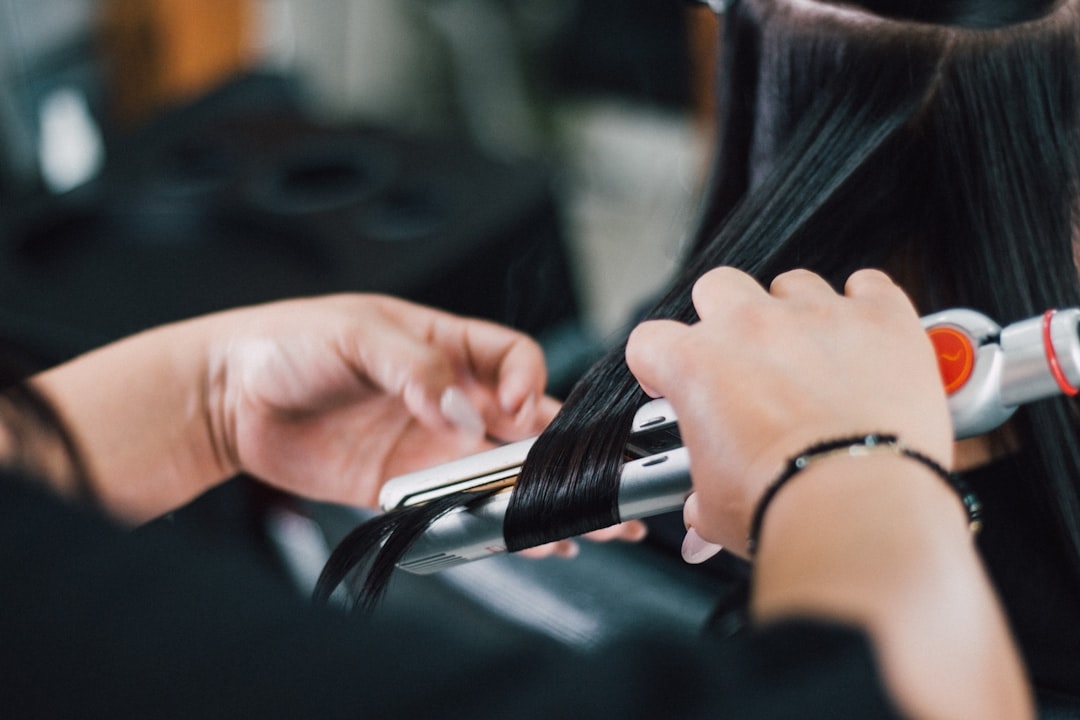
Product selection matters enormously. Heavy creams and serums weigh straight hair down, defeating the purpose. You need lightweight products that add hold and texture without mass.
Volumising mousse: Applies before blow-drying. Creates lightweight hold that lasts hours. Cost: £3-6. This is your primary product.
Dry shampoo or volumising powder: Apply to roots after blow-drying for extra grip. Products like Batiste Dry Shampoo (£2-3) or Umberto Giannini Dry Shampoo (£5) absorb oils and create texture that makes hair appear fuller. Apply sparingly or you look grey.
Lightweight hairspray: Finish with a light hairspray (not heavy-hold). Use hairspray designed for “flexible hold” rather than “maximum hold.” Maximum hold products glue hair in place and prevent natural movement that creates volume perception.
Avoid these products on straight hair: Heavy creams, oils, serums, thick pomades, and leave-in conditioners. These products are designed for curly or damaged hair and make straight hair look limp and greasy.
Regional Styling Variations Across the UK
Humidity affects how long volume lasts. In drier regions (parts of Southeast England, East Anglia), blow-dried volume lasts 8+ hours. In humid regions (Wales, Western areas with higher rainfall), moisture in the air disrupts volume after 4-6 hours. If you live in a humid area, blow-dry with even more precision—use extra mousse and cool shots to lock volume more firmly.
Additionally, water hardness (very high in London and the Southeast) affects product performance. Hard water mineral buildup can interfere with volumising products. If you live in a hard water area and volume techniques aren’t working, try using distilled water for a final rinse after shampooing, or switch to a chelating shampoo once weekly.
Styling in Limited Space: Apartment-Friendly Techniques
You don’t need a large bathroom for effective volume styling. You need:
- A blow dryer (£25-100, depending on quality).
- A round brush or barrel (£5-15).
- Mousse and dry shampoo (£5-10 total).
- A small mirror or handheld mirror to see the back.
In a small bathroom or studio apartment, position your mirror on a shelf or hang it on the wall at eye level. Blow-dry one section at a time, using a small round brush that doesn’t require much maneuvering. A 1.5-inch or 2-inch barrel is easier to control in tight spaces than larger brushes.
If you don’t have space for a standing mirror, use your phone camera on selfie mode—prop it up and you can see the back of your head while blow-drying. It looks awkward but works perfectly.
Time Investment and Frequency
Adding volume to straight hair takes 15-25 minutes if you blow-dry properly. This is longer than quick air-drying, but the results justify it—volume that lasts all day versus flatness within hours.
You don’t need to blow-dry daily. On day 1 (immediately after blow-drying), volume is maximum. By day 2, volume decreases 20-30% but is still noticeable, especially if you use dry shampoo at the roots. By day 3, you can refresh with dry shampoo and a quick 5-minute blow-dry of just the roots, rather than full styling.
Most people find that styling every other day (4-5 times per week) balances effort with results. On non-styling days, use dry shampoo for quick volume and texture.
FAQ
How long does volume last in straight hair after blow-drying?
With proper technique and product, volume lasts 8-12 hours. Humidity, activity, and hair health affect longevity. Fine hair volume might drop after 6-8 hours. Thick hair can sustain volume for 12+ hours. Dry shampoo refreshes volume for another 4-6 hours on day 2.
What’s the best round brush size for adding volume?
For volume, use a barrel size of 1.5-2.5 inches. Larger barrels (3+ inches) smooth hair and reduce volume. Smaller barrels (1 inch) create tight curls rather than lift. A 2-inch barrel is the sweet spot for most people.
Can you add permanent volume to straight hair with treatments?
Perms and permanent wave treatments can create curls or texture, which adds permanent volume. However, these damage hair and require maintenance. For most people, blow-dry techniques and good cuts offer better results with less damage.
Does hair type affect volume potential?
Yes. Fine, straight hair creates volume most easily because it’s responsive to technique and products. Thick, straight hair is more resistant but can still gain visible volume with proper technique. Coarse straight hair needs stronger products and longer blow-drying times.
Is a round brush necessary or can you use a regular blow-dry without tools?
A round brush dramatically improves results because it creates lift and holds hair in position while drying. Without a brush, volume is possible but much harder to control. If you have no brush, try styling your hair upside-down (head inverted) while blow-drying—this creates lift without tools.
Your Volume Transformation Starts Now
Straight hair can look voluminous. You’re not stuck with flatness. Start this week by changing your blow-dry technique: dry your roots upward using a round brush and mousse, then cool-shot to set. You’ll notice immediate improvement—your hair will look thicker and fuller within one blow-dry session.
Next, schedule a cut with a barber who understands layering and texture. Request longer layers at the crown specifically. This structural change makes every future blow-dry easier and more effective.
Combine these two changes—technique and cut—and you have volume that lasts hours and looks natural, not overdone. You’re not faking volume with tricks; you’re creating genuine texture and lift that actually exists in your hair. That’s the real secret stylists use.

+ There are no comments
Add yours