



Contents:
- What Is Hard Water and How Does It Affect Hair?
- Does Hard Water Directly Damage Hair or Just Make It Appear Worse?
- How Severe Is Hard Water Damage?
- Signs Your Hair Is Affected by Hard Water
- Hard Water vs. Chlorine Water: Key Differences
- Solutions: Removing Hard Water Mineral Buildup
- Chelating Shampoos
- Apple Cider Vinegar Rinses
- Installing a Water Softener
- Preventative Strategies
- Regional Hard Water Issues in the UK
- Frequently Asked Questions
- Can hard water permanently damage hair?
- Will my hair improve if I switch to soft water?
- How often should you use chelating shampoo?
- Is bottled water better than tap water for rinsing hair?
- Do water softening tablets in shampoo actually work?
You move to a new house and immediately notice your hair feels different—duller, frizzier, harder to style. Your expensive shampoo and conditioner don’t seem to work anymore. Chances are, you’ve moved from soft water to hard water. Hard water contains dissolved minerals like calcium and magnesium that deposit on your hair, causing a range of noticeable problems. The question isn’t just theoretical: does hard water damage hair? For millions of people living in hard water areas, it’s a daily reality that affects how their hair looks and feels.
What Is Hard Water and How Does It Affect Hair?
Hard water is water containing high concentrations of dissolved minerals, primarily calcium and magnesium. In the UK, approximately 60% of the population lives in hard water areas, with the Midlands, South East England, and London experiencing the hardest water. The remaining 40% live in soft water areas, primarily in Scotland, Wales, and Southwest England where granite-based geology creates naturally soft water.
When you wash your hair with hard water, minerals deposit on your hair shaft, building up gradually with each wash. This mineral buildup (called chelation) accumulates because the positively-charged mineral ions bond to the negatively-charged hair cuticle. Over weeks or months, visible buildup occurs, manifesting as dullness, brittleness, and difficulty styling.
Does Hard Water Directly Damage Hair or Just Make It Appear Worse?
Hard water doesn’t technically damage hair structure the way heat or chemicals do. However, the effects are real and can eventually lead to damage. The mineral coating prevents moisture from reaching the hair shaft, making it dry and brittle. Extended exposure (months or years) to hard water mineral buildup can cause structural weakening, breakage, and difficulty growing healthy hair.
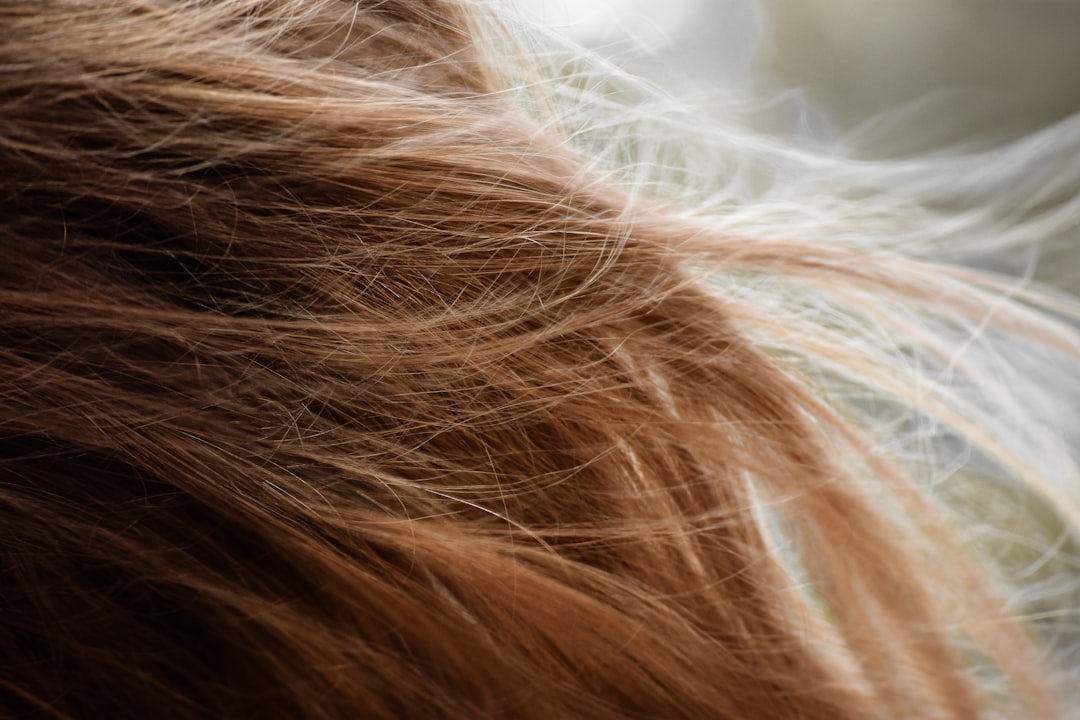
The immediate effects are cosmetic: dull appearance, frizz, difficulty styling, and colour changes (particularly in dyed hair, where minerals can alter colour perception). The long-term effects are structural: weakened hair prone to breakage and difficulty maintaining hair health. So whilst hard water isn’t inherently damaging like heat styling, the accumulated mineral coating eventually compromises hair integrity.
How Severe Is Hard Water Damage?
Damage severity depends on water hardness level and how long minerals have accumulated. Slightly hard water (150-300ppm—parts per million) causes minimal visible changes. Very hard water (300+ ppm) causes noticeable dullness and frizz within 2-3 weeks, significant breakage within 3-4 months, and substantial difficulty maintaining hair health within 6+ months of exposure.
UK water hardness varies dramatically by region. London water measures 360ppm (very hard); Birmingham measures 380ppm (very hard); Manchester measures 60ppm (soft). Check your local water hardness with your water supplier—most UK councils provide this information online or on request.
Signs Your Hair Is Affected by Hard Water
Notice these specific changes after moving to hard water areas or after several weeks of exposure:
- Dull appearance that doesn’t improve with conditioning
- Difficulty creating volume—hair feels flat and weighed down
- Increased frizz and difficulty managing texture
- Colour changes in dyed hair (can shift toward yellow, brassy, or murky tones)
- Tangles and matting, particularly at the ends
- Increased breakage when combing or styling
- Products that previously worked now feel ineffective
If you experience multiple signs simultaneously after changing water sources, hard water mineral buildup is the likely culprit.
Hard Water vs. Chlorine Water: Key Differences
Both hard water and chlorinated water (like pool water) damage hair, but through different mechanisms. Chlorine chemically reacts with hair protein, drying it out and potentially discolouring it (turning blonde hair green). Hard water mineral buildup coats the hair shaft, creating a physical barrier that prevents moisture absorption.
Hard water is cumulative—minerals gradually coat your hair over weeks. Chlorine damage happens acutely—single pool exposure damages hair visibly. If your hair suddenly turned green or feels dry and brittle after swimming, you’re dealing with chlorine damage. If your hair gradually became duller and frizzier over 4-6 weeks without major water exposure changes, hard water is responsible.
Some people deal with both simultaneously: hard water at home and chlorinated water from swimming. The combination is particularly harsh. People in this situation need targeted treatment combining hard water chelation and chlorine removal.
Solutions: Removing Hard Water Mineral Buildup
Chelating Shampoos
Chelating shampoos contain compounds that bind to mineral ions and wash them away. These shampoos are highly effective at removing hard water buildup but strip natural oils, so use them only 1-2 times weekly, never daily. Malibu C Hard Water Shampoo (£8-12 per packet) or Redken Hair Cleansing Cream Shampoo (£16) work effectively.
Results are dramatic. After a single chelating treatment, hair often feels noticeably softer and shinier. Buildup immediately begins reaccumulating, so repeat treatments every 1-2 weeks for people in very hard water areas, every 2-4 weeks for slightly hard water areas.
Apple Cider Vinegar Rinses
A budget alternative (£2-3 per bottle): Mix 1 part apple cider vinegar with 4 parts water and rinse your hair with this solution after shampooing. The acid in vinegar dissolves some mineral buildup. Results are less dramatic than chelating shampoos but still noticeable. Repeat weekly.
Installing a Water Softener
The permanent solution: home water softeners remove minerals before water reaches your shower. Whole-house softeners cost £1,500-3,500 installed and require salt cartridge replacement (£50-100 quarterly). Point-of-use shower filters cost £40-100 and last 6-12 months before requiring replacement cartridges (£20-30).
For people with very hard water (300+ ppm), investing in a shower filter (£40-60 initially, £20-30 every 6-12 months for cartridges) prevents ongoing hair damage. The cost averages to £40-50 annually, comparable to purchasing chelating shampoos regularly.
Preventative Strategies
Beyond removing buildup, these strategies prevent mineral accumulation:
- Use chelating shampoo preventatively: 1-2 times monthly in slightly hard water, weekly in very hard water, prevents buildup rather than treating it after damage occurs.
- Distilled water rinses: After conditioning, rinse with a bottle of distilled water (£1-2 per bottle) to remove minerals before they deposit on hair. This works for final rinses on days you don’t chelate.
- Chelating leave-in treatments: Some leave-in products contain chelating agents. Using these 2-3 times weekly provides ongoing protection without full shampoo treatments.
- Filtered water for rinsing: Use a shower filter (£40-100) to remove minerals from all water contacting your hair.
Regional Hard Water Issues in the UK
Southeast England (London, Kent, Sussex) and the Midlands (Birmingham, Coventry, Nottingham) are hardest-hit with water hardness 300-400ppm. Northern England (Manchester, Leeds) has moderately hard water (100-200ppm). Scotland and Wales have soft water (under 100ppm). If you move from soft to hard water regions, you’ll notice dramatic changes. Moving from hard to soft water regions improves hair appearance immediately without any treatment.
Frequently Asked Questions
Can hard water permanently damage hair?
No. Mineral buildup is removable with chelating treatments. Once minerals are removed, hair returns to normal. However, extended mineral buildup (6+ months) can cause structural weakening, and that damage is permanent for that hair length. The solution is trimming damaged ends and preventing new exposure.
Will my hair improve if I switch to soft water?
Yes. Moving to a soft water area or installing a water softener allows existing mineral buildup to rinse away naturally over 2-3 weeks. New hair growth from your scalp will be unaffected by minerals, so overall hair health improves noticeably within 4-6 weeks.
How often should you use chelating shampoo?
In very hard water (300+ ppm), use weekly. In moderately hard water (100-300 ppm), use every 2-3 weeks. In soft water, use monthly preventatively or only when you notice dullness. Daily chelating shampoo use strips hair excessively and causes damage.
Is bottled water better than tap water for rinsing hair?
Only if you’re using distilled or demineralised bottled water. Regular bottled water often contains similar mineral levels to tap water. Distilled water costs £1-2 per bottle and is ideal for final rinses.
Do water softening tablets in shampoo actually work?
Hard water softening products added to shampoo (like chelating shampoo packets) contain compounds that bind minerals in the water itself, preventing them from depositing on hair. They work reasonably well but are less effective than installing a physical water softener or chelating after mineral buildup has occurred.