









Contents:
- Average Laser Hair Removal Prices Across the UK
- What Influences the Cost of Laser Hair Removal?
- Treatment Area Size
- Laser Technology Type
- Clinic Location and Reputation
- Skin and Hair Type
- Package Deals vs. Pay-Per-Session
- Laser Hair Removal vs. Electrolysis: Understanding the Difference
- The Sustainability Angle: Why Laser Matters
- How to Get the Best Value
- Verify Practitioner Credentials
- Request a Test Patch
- Compare Equipment, Not Just Price
- Check Aftercare Inclusions
- Money-Saving Strategies
- Frequently Asked Questions
- How many sessions does laser hair removal actually take?
- Is laser hair removal permanent?
- Can I get laser hair removal on darker skin?
- What’s the most cost-effective area to start with?
- Should I choose the cheapest clinic?
- Making Your Decision
The cost of laser hair removal in the UK typically ranges from £100 to £400 per session, depending on the size of the treatment area. Most people need 6-8 sessions spaced 4-8 weeks apart to achieve permanent results. A full treatment course can cost between £600 and £3,200. That precision? It matters. The price isn’t arbitrary—it reflects the technology, expertise, and your specific skin and hair needs.
Before committing to laser hair removal, you deserve to understand exactly what you’re paying for. This guide breaks down the real costs across the UK, what influences pricing, and how to identify genuine value rather than just the cheapest option.
Average Laser Hair Removal Prices Across the UK
Pricing varies significantly depending on location and clinic reputation. London clinics typically charge 20-30% more than regional alternatives. Here’s a realistic breakdown:
- Upper lip or underarms: £80-150 per session
- Legs (full): £250-400 per session
- Bikini area: £120-200 per session
- Back or chest: £180-300 per session
- Face (full): £150-250 per session
- Whole body: £400-600 per session
Regional clinics in Manchester, Birmingham, and Edinburgh often undercut London prices by £50-100 per session. However, lower cost doesn’t guarantee lower quality—reputation, equipment age, and practitioner certification matter more.
What Influences the Cost of Laser Hair Removal?
Treatment Area Size
The pricing model is straightforward: larger areas cost more. A small area like the upper lip requires 5-10 minutes of treatment time. A full-leg session takes 30-45 minutes. Your therapist’s time directly translates to cost. This is why package deals become valuable when treating multiple areas—bundling saves 15-25% compared to booking sessions individually.
Laser Technology Type
Not all laser systems are equal. Modern machines from manufacturers like Candela or Lumenis cost clinics £100,000-250,000. Older technology, whilst cheaper to operate, often requires more sessions and carries higher pain levels. Newer diode lasers and alexandrite systems deliver faster results. Ask your clinic which generation of equipment they use—the answer directly reflects your investment value.
Clinic Location and Reputation
Central London clinics charge premium rates, often £350-450 for full-leg sessions. Suburban London and regional centres range from £200-300. Rural clinics and new practitioners just starting out may charge £100-150. You’re not just paying for the laser; you’re paying for the practitioner’s experience, sterile environment standards, and aftercare support. A bargain price at an unregistered clinic is genuinely dangerous.
Skin and Hair Type
Darker hair on lighter skin responds fastest—often just 4-6 sessions. Lighter hair on darker skin needs 8-12 sessions. Fine or red hair may require specialist equipment adding 15-20% to session costs. Some clinics charge more upfront for complex cases, others charge per session without adjustment. Reputable clinics should offer a free consultation to assess your specific needs and quote accordingly.
Package Deals vs. Pay-Per-Session
Most clinics offer discounted packages. A single session costs £200, but buying a 6-session package might drop to £150 per session—a 25% saving. An 8-session package could be £140 per session. The maths works in your favour, but only if the clinic stays open and honour the sessions (always check their liability insurance and client protection policies).
Some practitioners offer unlimited sessions until results are achieved. These typically cost £1,500-2,500 upfront but guarantee you won’t pay extra if you need 7 or 9 sessions instead of the standard 6. This suits people with stubborn hair or complex skin types. One caution: verify the clinic’s reputation before committing—refund policies for unlimited packages are notoriously strict.
Laser Hair Removal vs. Electrolysis: Understanding the Difference
Electrolysis and laser hair removal are often confused, but they’re fundamentally different. Electrolysis uses a needle-like probe and electrical current to destroy individual hairs. It works on all hair colours and skin tones, but it’s slower and more painful. A single session costs £50-150, but you might need 15-30 sessions. Total cost for full-body hair removal via electrolysis can exceed £5,000.
Laser is faster and less painful, but traditionally less effective on very fair or red hair. Modern laser technology has closed this gap significantly. For most people, laser reaches the finish line faster and cheaper. However, if you have extremely fine or red facial hair, electrolysis might prove more cost-effective despite the higher per-session price.
The Sustainability Angle: Why Laser Matters
Consider the environmental impact of alternatives. Razors create plastic waste—a person using disposable razors generates roughly 2kg of waste annually. Waxing requires repeated supply chains and generates chemical waste. Laser hair removal, whilst energy-intensive per session, becomes the greener option after 6-8 treatments, eliminating the need for ongoing supplies. Over a lifetime, choosing laser reduces your personal waste footprint significantly. Many UK clinics now operate with renewable energy or carbon-offset schemes, making this choice even more sustainable.
How to Get the Best Value
Verify Practitioner Credentials
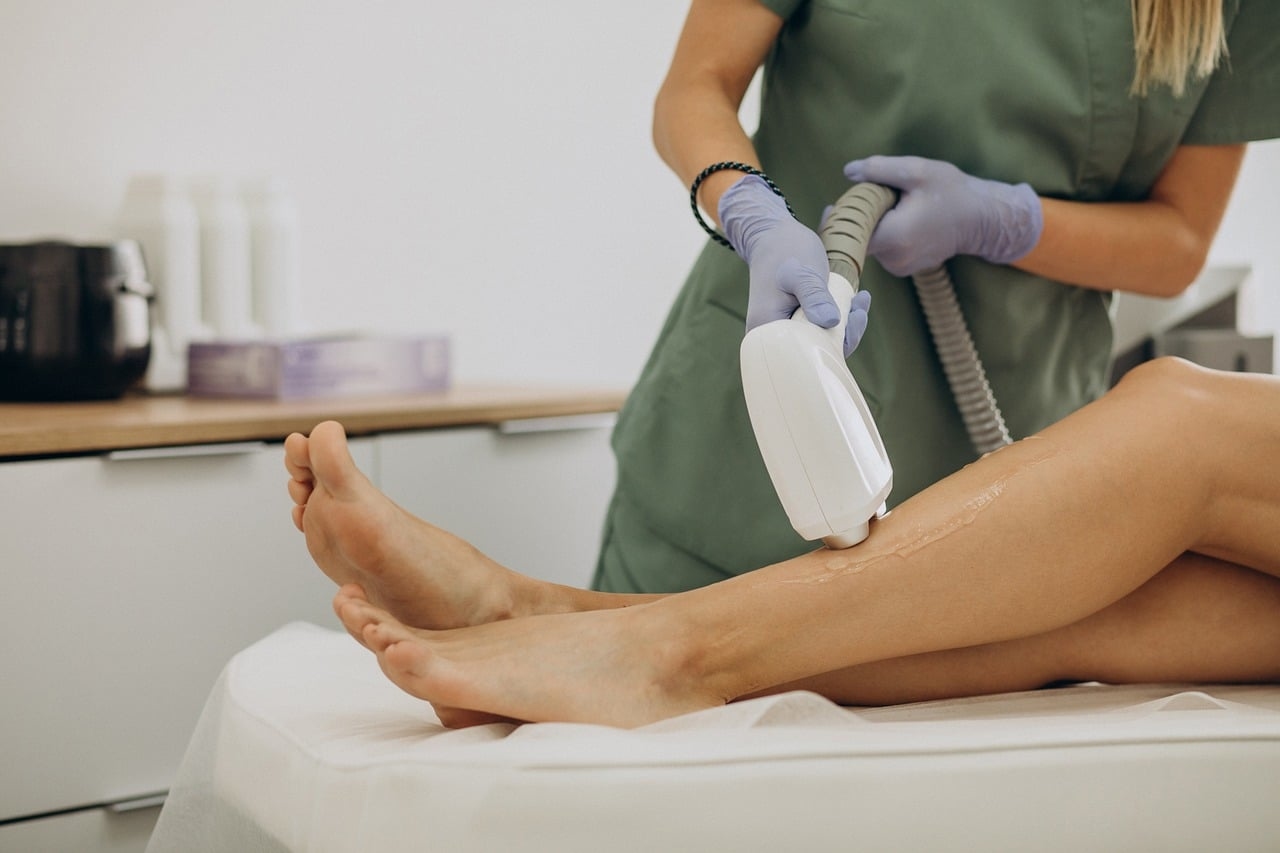
UK laser practitioners should hold BTEC qualifications or equivalent, plus laser-specific training. Ask to see certificates. Check the General Medical Council (GMC) register if the clinic claims to have doctors on staff. Unregistered practitioners offer no recourse if something goes wrong.
Request a Test Patch
Every reputable clinic offers a free patch test on a small area to assess your skin’s response. Never book a full session without this. It costs nothing and reveals whether you’ll tolerate the treatment well.
Compare Equipment, Not Just Price
Visit three clinics. Ask about their specific laser model, how long they’ve owned it, and how many hours it’s been used. Older machines need calibration more frequently, reducing consistency. Get treatment plans in writing showing session numbers, cost per session, and total package price.
Check Aftercare Inclusions
Quality clinics include aloe vera gel, cooling treatments, and sun-protective advice. Some charge extra for these essentials. A competitive clinic builds aftercare into the session cost.
Money-Saving Strategies
- Book during promotions: December and January see heavy discounts (20-40% off) as clinics push end-of-year targets. New Year’s resolutions drive demand in January but prices drop in February.
- Combine areas: A clinic offers £200 for underarms alone, but £320 for underarms plus bikini. Bundle treatments and save.
- Loyalty schemes: Some clinics offer every 6th session free or 10% off for repeat customers. Ask upfront.
- Student or referral discounts: Many clinics offer 15% off for valid student ID or referrals.
- Consider slightly less central locations: Moving one postcode district outward can drop costs by £40-60 per session without sacrificing quality.
Frequently Asked Questions
How many sessions does laser hair removal actually take?
Most people need 6-8 sessions spaced 4-8 weeks apart. Dark, coarse hair responds in 4-6 sessions. Fine, fair hair needs 8-12 sessions. Hair grows in cycles, and the laser only works on active growth-phase hairs, so spacing matters.
Is laser hair removal permanent?
Technically, the FDA term is “permanent reduction,” not permanent removal. After a full course, most people see 80-95% hair reduction. Occasional stray hairs may return, typically 1-5% annually. Touch-up sessions every 12-24 months maintain results and cost £100-200.
Can I get laser hair removal on darker skin?
Modern lasers work on all skin tones, but darker skin requires more careful settings to avoid burns. Your practitioner must have specific training. Clinics experienced with diverse skin types charge appropriately and deliver better results. Always ask how many clients with your skin tone they’ve treated.
What’s the most cost-effective area to start with?
Underarms offer the best return on investment—sessions cost £80-150, most people see results in 4 sessions (total £320-600), and the daily impact on grooming time is significant. Legs cost more but also save the most time long-term.
Should I choose the cheapest clinic?
No. A £80 session at an unregistered clinic with outdated equipment risks burns, scarring, and zero results. A £180 session at an accredited clinic with modern technology delivers safety, predictable outcomes, and proper aftercare. You’re paying for qualified expertise, not just the laser beam.
Making Your Decision
Laser hair removal in the UK costs between £100 and £400 per session depending on area size, technology, and location. Your total investment for permanent results ranges from £600 to £3,200. This isn’t cheap, but compare it to a lifetime of razors, waxing, or electrolysis—the maths favours laser within 2-3 years.
Start by booking consultations at three clinics. Ask about their equipment, practitioner qualifications, and detailed pricing. Request patch tests. Get everything in writing. The best value isn’t the lowest price; it’s the clinic that combines modern technology, certified practitioners, transparent pricing, and realistic expectations about your specific hair and skin. With those criteria locked in, you’ll join the thousands of UK customers enjoying genuinely smooth skin without the endless grooming routine.


+ There are no comments
Add yours