








Contents:
- Understanding Hair Thickness: More Than Just Genetics
- Nutritional Foundations for Hair Density
- Protein: The Structural Requirement
- Iron: Critical for Hair Growth Cycles
- Zinc: The Follicle Protector
- Biotin and B Vitamins: The Often-Overlooked Players
- Distinguishing Hair Thinning from Hair Loss: Why Context Matters
- Lifestyle Factors That Impact Hair Thickness
- Sleep Quality and Hair Growth
- Stress Management: The Overlooked Mechanism
- Exercise: Increasing Scalp Blood Flow
- Topical Treatments and Hair Care Practices
- Minoxidil: The Evidence-Backed Option
- Scalp Massage and Dermarolling
- Shampoo Choices: Clarifying Without Stripping
- Natural and Eco-Friendly Approaches
- Scalp Oils: Neem and Brahmi
- Rosemary Extract: The Research-Backed Herbal Option
- When to Seek Professional Help
- Practical Implementation: A Realistic Timeline
- Hair Thickness vs. Hair Loss: A Critical Distinction
- Frequently Asked Questions
- Does biotin supplementation actually thicken hair?
- Can hair thickness change permanently after addressing nutritional deficiencies?
- Is collagen supplementation worth the cost for hair thickness?
- How long does minoxidil take to work, and is it safe long-term?
- Can lifestyle changes alone thicken hair, or do I need treatments?
- Moving Forward: Your Action Plan
Why do some women’s hair look full and voluminous while others struggle with thinness despite following the same basic hair routine? The answer lies in understanding the biological factors that drive hair density and the specific interventions that can shift them in your favour.
Understanding Hair Thickness: More Than Just Genetics
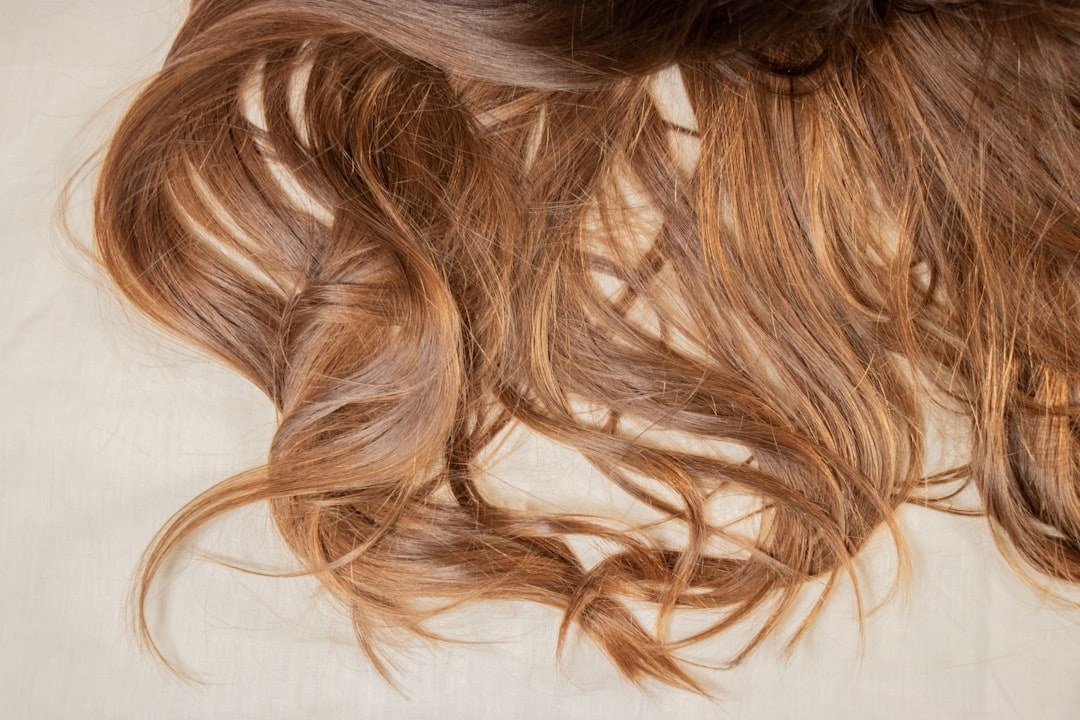
Hair thickness is determined by several interconnected factors: the diameter of individual hair strands, the number of follicles active on your scalp, and the growth phase duration of each hair. When people ask how to get thicker hair, they’re often addressing one or more of these elements without realising it.
The average human scalp contains between 80,000 and 120,000 hairs. Each follicle has a growth cycle lasting two to six years, with about 85% of your hairs actively growing at any given time. The remaining 15% are in a resting phase before shedding. This natural cycle means that temporary thinning is normal, but persistent thinness usually signals an underlying issue worth addressing.
Strand diameter—the width of an individual hair—varies by ethnicity and genetics. Caucasian hair averages 70 micrometres in diameter, whilst Asian hair can reach 80 micrometres, and African hair typically measures 60-80 micrometres. Thicker hair generally falls between 70-100 micrometres. If your strands are naturally fine, the goal becomes maximising those strands’ health and resilience rather than changing their inherent structure.
Nutritional Foundations for Hair Density
Hair growth depends on specific micronutrients. Without adequate supply, even genetically thick hair thins noticeably.
Protein: The Structural Requirement
Hair is roughly 95% protein (keratin). Eating sufficient protein is non-negotiable for thick hair. Women aged 19-50 need approximately 46 grams daily, though many nutritionists recommend 1.6 grams per kilogramme of body weight for those prioritising hair and muscle health. If you weigh 65 kilograms, aim for at least 104 grams of protein daily.
Quality protein sources include chicken breast (31g per 100g), Greek yoghurt (10g per 150ml), lentils (9g per cooked cup), and eggs (6g per large egg). Switching from regular yoghurt to Greek yoghurt at breakfast adds 8 grams of protein without changing much else about your meal.
Iron: Critical for Hair Growth Cycles
Ferritin (the storage form of iron) directly influences hair follicle growth. Studies show that women with ferritin levels below 30 nanogrammes per millilitre experience significantly more hair loss than those above 70 nanogrammes per millilitre. This is why hair shedding often accompanies heavy periods, restrictive dieting, or vegetarian diets without proper iron planning.
Red meat (beef, lamb) contains haem iron—the form your body absorbs most efficiently, with absorption rates of 15-35%. Plant-based iron sources like spinach and beans contain non-haem iron, which your body absorbs at only 2-20% efficiency. Vegetarians and vegans should combine plant iron with vitamin C (citrus, tomatoes, capsicum) to boost absorption, and consider testing ferritin levels annually.
Zinc: The Follicle Protector
Zinc deficiency triggers telogen effluvium—a condition where follicles prematurely exit the growth phase. Women need 8 milligrams daily. Oysters provide 7 milligrams per 85-gram serving, whilst chickpeas offer 2.5 milligrams per cooked cup. If you don’t eat shellfish, combining legumes with seeds (pumpkin seeds contain 4.3 milligrams per quarter cup) ensures adequate intake.
Biotin and B Vitamins: The Often-Overlooked Players
Biotin supports keratin production. A 2015 study published in Skin Appendage Disorders found that women taking 2.5 milligrams of biotin daily for five months increased hair weight by 6.3%. Whilst this seems modest, that’s measurable, objective improvement. Other B vitamins (B3, B5, B12) support energy metabolism within hair follicles.
Rather than relying on supplements, obtaining these from food is preferable. Eggs contain all these nutrients; one large egg provides 25 micrograms of biotin (beyond daily need of 30 micrograms). Almonds, salmon, and sweet potatoes are additional reliable sources.
Distinguishing Hair Thinning from Hair Loss: Why Context Matters
Before exploring treatments, recognise that “thinning” and “loss” describe different problems. Hair thinning means individual strands become finer or density gradually decreases. Hair loss means follicles stop producing hair altogether. A common confusion: mistaking normal shedding (50-100 hairs daily) for abnormal loss.
Androgenetic alopecia (genetic pattern baldness) affects women differently than men. Rather than receding hairlines, women experience diffuse thinning across the crown and mid-scalp. If your mother, grandmother, or aunts experienced thinning after age 40, you may carry genetic susceptibility. Conversely, sudden thinning without family history points to nutritional deficiency, stress, or thyroid dysfunction—all reversible.
Check this yourself: collect all hair from your brush for one day. Count them. If you’re shedding more than 150 hairs daily and this persists for months, consult a trichologist or dermatologist.
Lifestyle Factors That Impact Hair Thickness
Sleep Quality and Hair Growth
During deep sleep, your body increases blood flow to the scalp and boosts protein synthesis—both essential for hair growth. Chronic sleep deprivation (fewer than six hours nightly) suppresses these processes and elevates cortisol, a stress hormone that pushes hair follicles into the resting phase prematurely.
Women who shifted from six hours to eight hours of consistent sleep often report thicker hair within 8-12 weeks. This isn’t anecdotal magic; it reflects biological recovery of disrupted growth cycles.
Stress Management: The Overlooked Mechanism
Chronic stress triggers telogen effluvium through two pathways: elevated cortisol directly signals follicles to rest, and stress diverts metabolic resources away from non-essential systems like hair growth. Meditation, regular exercise, or dedicated hobbies don’t just feel good—they measurably shift hormonal patterns within two to three weeks.
Exercise: Increasing Scalp Blood Flow
Cardiovascular exercise increases blood flow to all tissues, including the scalp. This enhanced circulation delivers more oxygen and nutrients to hair follicles. Three to five sessions of 30-minute exercise weekly shows measurable impact on hair density within three months.
Topical Treatments and Hair Care Practices
Minoxidil: The Evidence-Backed Option
Minoxidil (available over-the-counter as Rogaine or similar brands in the UK for £15-25 per month) is the only topical treatment with robust clinical evidence for female hair loss. It works by prolonging the growth phase and widening miniaturised follicles (those producing thin hairs). Studies show 40-60% of women using minoxidil 5% twice daily experience regrowth or reduced shedding within four to six months.
The catch: results plateau after one year, and stopping treatment reverses gains within three to six months. It’s maintenance, not a cure.
Scalp Massage and Dermarolling
Regular scalp massage (five minutes, three times weekly) slightly increases blood flow and has been shown in small studies to modestly improve hair thickness. A 2019 study in Dermatology Practical & Conceptual found that men using a 0.5-millimetre dermaroller once weekly alongside minoxidil achieved better results than minoxidil alone. The mechanism: micro-injuries trigger the scalp’s natural repair response, boosting collagen and growth factor production.

Dermarollers are available for £10-30. Use 0.5-millimetre width (safer than 1.5-millimetre for regular home use) and never dermaroll over active scalp irritation.
Shampoo Choices: Clarifying Without Stripping
Heavy product buildup (silicones, mineral oil) can weigh fine hair down, making it appear thinner. A clarifying shampoo used once monthly removes this buildup. However, clarifying shampoos strip natural oils, so use moisturising conditioner immediately after.
For everyday washing, sulphate-free shampoos are gentler. They’re £2-8 more expensive than conventional options but remove dirt without disrupting scalp pH or stripping protective sebum.
Natural and Eco-Friendly Approaches
Interest in sustainable hair care has grown alongside awareness of chemical pollution. Several plant-based approaches have genuine efficacy:
Scalp Oils: Neem and Brahmi
Neem oil, traditional in Ayurvedic medicine, contains fatty acids and vitamin E. A 2016 study found neem oil application twice weekly reduced inflammation markers on the scalp and improved perceived hair thickness. Brahmi oil, made from brahmi herb extract, has antioxidant properties that protect follicles from oxidative stress.
Apply warm oil to the scalp, leave for 20-30 minutes, then shampoo. Twice weekly for eight weeks typically shows visible results. Organic versions cost £6-12 per 100 millilitres.
Rosemary Extract: The Research-Backed Herbal Option
This is where eco-friendly methods meet evidence. A 2015 study in Phytotherapy Research compared rosemary extract solution applied to the scalp twice daily with minoxidil 5%. After six months, both groups showed similar improvements in hair count and thickness. Rosemary works via carnosic acid, which increases blood flow and protects against oxidative damage.
Homemade rosemary oil: steep dried rosemary in carrier oil (coconut, jojoba) for two weeks, strain, and apply. Shop-bought versions cost £5-10 and are more convenient.
When to Seek Professional Help
Rapid thinning (noticeable change within weeks), symmetrical balding patterns, or hair loss accompanied by other symptoms (fatigue, unexplained weight changes) warrants professional evaluation. Thyroid dysfunction, hormonal imbalances, and nutritional deficiencies mimic genetic hair loss but are reversible.
In the UK, referral to a NHS dermatologist is free if your GP deems it necessary. Private trichologists (specialising in hair and scalp health) charge £150-300 for consultations but can identify issues GPs might miss.
Practical Implementation: A Realistic Timeline
Thickening hair takes patience. Hair growth cycles span months, not weeks. Here’s what to expect:
- Weeks 1-4: Nutritional changes begin optimising follicle health; scalp massage increases blood flow; sleep and stress improvements take effect. You won’t see hair change yet, but you’re addressing root causes.
- Weeks 4-12: New hair growth begins reflecting improved conditions. Existing thin hairs may thicken slightly. Shedding should stabilise if it was elevated.
- Months 3-6: Cumulative effects appear. Hair density visibly increases, though individual strand diameter changes take longer to manifest.
- Months 6-12: Full effects of lifestyle changes and treatments become apparent. Many women report 20-30% perceived improvement in thickness by this point.
Hair Thickness vs. Hair Loss: A Critical Distinction
A woman experiencing progressive thinning across the entire scalp (diffuse thinning) faces a different challenge than one with localised bald patches. Diffuse thinning often responds well to nutrition, stress reduction, and topical treatments. Alopecia areata (patchy baldness) requires dermatological intervention. Pattern baldness responds partially to minoxidil but may eventually require acceptance or other interventions like hair transplantation, which costs £4,000-15,000 in private UK clinics.
Understanding your specific pattern guides realistic expectations and appropriate treatment selection.
Frequently Asked Questions
Does biotin supplementation actually thicken hair?
Only if you’re biotin-deficient. Studies showing improvements tested biotin in deficient populations. If you eat eggs, almonds, or salmon regularly, supplementation won’t add benefit. A reasonable trial: take 2.5 milligrams daily for four months. If no change occurs, your hair is likely not biotin-limited.
Can hair thickness change permanently after addressing nutritional deficiencies?
Partially. Correcting deficiencies allows follicles to produce stronger, thicker hairs going forward. Follicles previously miniaturised by deficiency don’t fully “recover” to their original capacity, but they improve noticeably. The gains persist as long as you maintain good nutrition.
Is collagen supplementation worth the cost for hair thickness?
Limited evidence supports collagen for hair specifically. Collagen provides amino acids, but you get the same amino acids cheaper from chicken, fish, or eggs. If you already enjoy collagen supplements for skin or joints, they’re unlikely to harm hair. As a hair-specific investment, money is better spent on biotin, iron testing, and minoxidil.
How long does minoxidil take to work, and is it safe long-term?
Visible improvement typically requires 4-6 months of consistent twice-daily application. Safety data spans over 30 years; minoxidil is well-tolerated, though some experience scalp irritation or increased shedding initially (normal as resting hairs cycle out). Pregnancy is a contraindication, as safety data doesn’t exist for this population.
Can lifestyle changes alone thicken hair, or do I need treatments?
It depends on the root cause. Nutritional deficiency or stress-induced thinning responds dramatically to lifestyle changes alone. Genetic pattern baldness requires minoxidil or acceptance of gradual thinning. Most women benefit from combining approaches: optimise nutrition and sleep, reduce stress, then add minoxidil if genetics are a factor.
Moving Forward: Your Action Plan
Thicker hair emerges from addressing fundamentals: adequate protein and iron, seven to eight hours of sleep, stress management, and gentle hair care. If progress stalls after three months, add minoxidil or book a dermatology consultation to exclude underlying conditions. Natural approaches like rosemary oil and scalp massage complement but don’t replace these foundations.
Track progress objectively—count daily shedding, take photographs under consistent lighting monthly, notice how full your ponytail feels. Small improvements compound over the year ahead. The choices you make this month about nutrition, sleep, and stress directly influence the thickness of your hair in six months.