

Contents:
- Why Knowing Your Hair Colour Matters More Than You Think
- The Natural Hair Colour Spectrum: Breaking It Down
- Black Hair (Levels 1–2)
- Dark Brown Hair (Levels 3–4)
- Medium Brown Hair (Levels 5–6)
- Light Brown to Dark Blonde (Levels 7–8)
- Light Blonde (Level 9)
- Pale Blonde (Level 10)
- Undertone: The Hidden Factor in Your Hair Colour
- Regional Variations in Hair Colour
- Seasonal Changes: Does Your Hair Colour Actually Shift?
- How to Accurately Describe Your Hair Colour to a Hairdresser
- Common Mistakes to Avoid
- Maintaining Your Hair Colour (Natural or Dyed)
- Frequently Asked Questions
- What if I can’t decide what colour my hair actually is?
- Does my hair colour affect the cost of a salon appointment?
- Can I permanently change my undertone?
- How often should I check what colour my hair is?
- Is red hair really disappearing?
- Understanding Your Hair Colour Is the First Step
Did you know that only about 2% of the global population has naturally red hair? Yet when we look in the mirror and think about our own hair colour, many of us struggle to pin down the exact shade. Hair colour isn’t simply “blonde” or “brown”—it’s a nuanced spectrum that can shift depending on lighting, styling, and how we care for it. Understanding what colour is my hair accurately can be surprisingly useful, especially when you’re deciding whether to dye it, schedule a cut, or invest in professional treatments.
Why Knowing Your Hair Colour Matters More Than You Think
Your natural hair colour tells a story about your genetics, your undertone, and how different shades will suit you. When you can articulate your exact shade, conversations with hairdressers become clearer, online product searches become more effective, and you make smarter decisions about whether a trendy colour is genuinely right for you.
The hair colour industry uses a 1–10 scale, with 1 being jet black and 10 being pale blonde. Most people fall somewhere between levels 2 and 8. Knowing your level—and your undertone (warm, cool, or neutral)—gives you a scientific foundation for making changes that actually suit your skin tone and complexion.
The Natural Hair Colour Spectrum: Breaking It Down
Hair colour falls into six primary categories, each with multiple shades within it. Rather than guessing, you can use sunlight and a mirror to identify where you sit.
Black Hair (Levels 1–2)
True black hair is rare in most Western populations but common in Asian, African, and Middle Eastern backgrounds. Under natural sunlight, black hair may show subtle warm or cool undertones—some appear with a slight reddish tint, others with a bluish shine. If you have level 1–2 hair and it doesn’t look completely flat, you likely have undertones worth noting.
Dark Brown Hair (Levels 3–4)
Dark brown is one of the most common natural hair colours globally. This range includes chocolate brown, espresso, and deep chestnut shades. Many people with level 3–4 hair think they have black hair until they stand in bright sunlight and see the warmth emerge.
Medium Brown Hair (Levels 5–6)
Medium brown encompasses caramel, honey, and lighter chestnut shades. This is where many people notice their undertone most clearly. Cool undertones create ash or mousy browns; warm undertones create golden or caramel browns.
Light Brown to Dark Blonde (Levels 7–8)
Lighter natural hair colours often show the most variation between roots and ends, especially if you spend time in the sun. Dirty blonde, honey blonde, and light brown all sit in this range. Many people in this category are surprised to learn their hair is technically “blonde” by professional standards.
Light Blonde (Level 9)
Natural level 9 hair is uncommon after childhood; many fair-haired children darken as they mature. Adults with level 9 natural hair often have Scandinavian or Northern European heritage.
Pale Blonde (Level 10)
Virtually no naturally occurring level 10 hair exists on adults. Level 10 is the standard for bleached or heavily lightened hair.
Undertone: The Hidden Factor in Your Hair Colour
Two people might both have “brown hair,” but one appears warm and rich while the other looks cool and ashy. This difference is undertone. Your hair undertone typically matches your skin undertone—warm skin pairs with warm hair, cool skin with cool hair.
To identify your undertone, examine your hair in daylight (not artificial lighting) and ask yourself: does it lean towards golden, red, or ashy tones? Warm undertones include red, gold, and copper. Cool undertones include ash, platinum, and violet. Neutral undertones blend both equally.
This matters for budget-conscious readers because understanding your undertone prevents expensive salon mistakes. If you’re fair-skinned with cool undertones and you choose a warm golden blonde, the colour will clash with your complexion—no matter how expensive the dye. Conversely, a shade that matches your natural undertone will always flatter you, whether you’re spending £15 or £150.
Regional Variations in Hair Colour
Hair colour distribution isn’t random across the UK and Europe. In the Northeast of England and Scotland, darker hair is more prevalent due to historical populations with Celtic and Germanic heritage. The South tends toward slightly lighter shades, and the West Country has a higher concentration of red and auburn tones—not coincidentally where many redheads gather.
If you’re moving house or comparing yourself to people in different regions, remember that “average” hair colour varies. What’s common in Manchester might be rare in Cornwall, which explains why some people feel their hair colour makes them stand out more in certain areas.
Seasonal Changes: Does Your Hair Colour Actually Shift?
Yes, and it’s real. Many people notice their hair looks lighter in summer and darker in winter. This happens for several reasons: UV rays from sunlight bleach out pigment (similar to how photos fade), winter months mean less sun exposure, and chlorine or salt water in summer can strip pigment.
Over a full year, you might see a 1–2 level shift, particularly if you spend significant time outdoors. Summer (June–August) typically shows the most lightening; winter (December–February) the most darkening. Spring and autumn are transitional months where your colour stabilises.
If you’re planning a significant hair change, timing matters. Many people book dye appointments in September or October, when their hair has settled into its darkest winter state and they can see the true starting point.
How to Accurately Describe Your Hair Colour to a Hairdresser
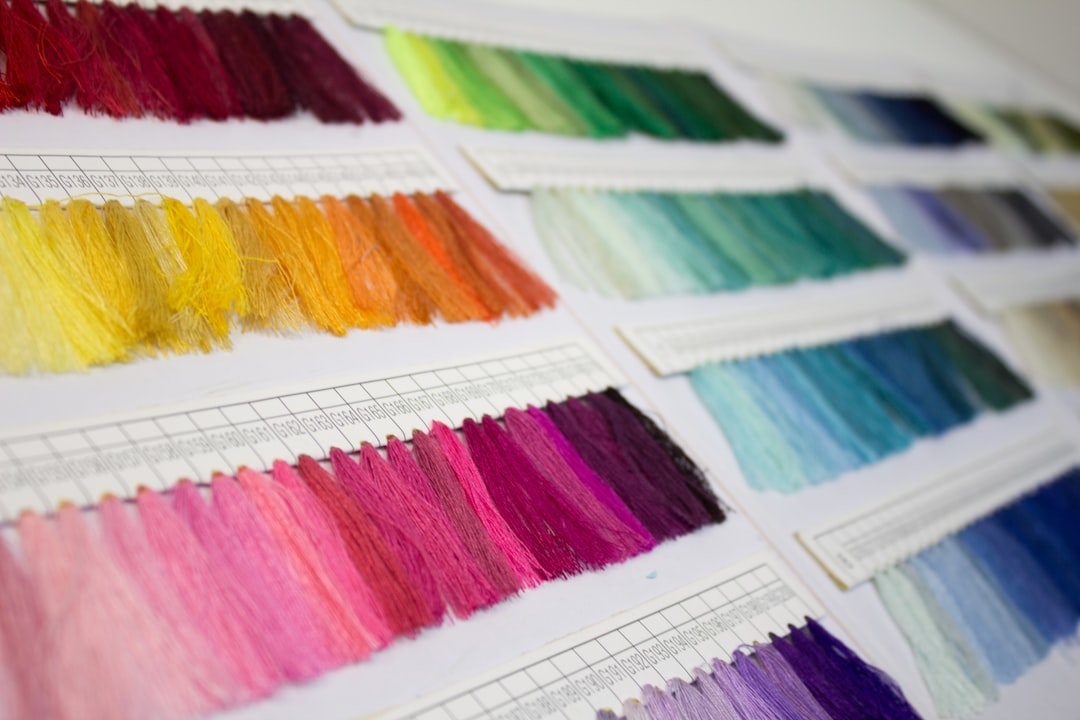
Instead of vague descriptions, use the level system combined with undertone and any secondary tones. For example: “I’m a level 6 warm brown with caramel highlights,” is infinitely more useful than “medium brown.”
Bring photos—not just of your own hair, but of specific shades you like. A picture of a celebrity or model with your target colour is far more precise than trying to describe it verbally. Professional stylists compare photos to your current hair and can map out the steps needed.
Mention any previous colour treatments, even if they’ve grown out. Colour builds on colour, and a stylist needs to know if you’ve previously had permanent or semi-permanent dye, bleaching, or heat damage.
Common Mistakes to Avoid
The biggest error people make is choosing a hair colour based on how it looks on someone else. A shade that’s stunning on your friend might make you look washed out because you have different undertones. Always filter recommendations through your own colouring first.
Another frequent mistake: assuming your natural hair colour is “boring” and needing to change it dramatically. Many people with beautiful natural shades chase trends they don’t actually suit. Before spending money on dye, experiment with different lighting, styling products that add shine, or temporary spray colours to see if you actually want a change.
Finally, many budget-conscious readers skip a patch test when using box dye at home. Allergic reactions to permanent dye are rare but possible, and a patch test costs nothing—just 24 hours of patience before you apply dye to your entire head. This simple step prevents hospital visits and ruined hair.
Maintaining Your Hair Colour (Natural or Dyed)
If you’re happy with your current colour, protecting it extends the life of your investment. UV rays fade dyed hair noticeably within 4–6 weeks of salon work. Using a UV-protective spray (typically £5–£12) slows this dramatically.
Washing in cool water, using colour-safe shampoo, and limiting heat styling also preserve your shade. If you’re natural, these practices keep your colour vibrant and prevent premature greying or dulling.
For budget-conscious readers, one high-quality purple or blue-toning shampoo (£8–£15) used once weekly maintains blonde or silver tones far better than weekly salon visits would.
Frequently Asked Questions
What if I can’t decide what colour my hair actually is?
Take a photo in direct sunlight without flash, and compare it to the International Hair Colour Chart (available free online). Stand next to natural-light swatches and match your hair to the closest level. This removes guesswork and gives you a benchmark.
Does my hair colour affect the cost of a salon appointment?
Technically, no—most stylists charge by service, not by your starting colour. However, going from dark to light requires more bleaching and multiple sessions, which costs more than going dark. A stylist will quote you based on the work required, not your current shade.
Can I permanently change my undertone?
No. Your undertone is determined by your genetics and the pigments in your skin and hair. You can temporarily mask it with dye, but it’s always there underneath. Choosing dye that works with (rather than against) your undertone gives better, longer-lasting results.
How often should I check what colour my hair is?
If you’re keeping your natural colour, once yearly is enough—usually in autumn when it’s stabilised after summer lightening. If you dye your hair, reassess every 4–8 weeks as roots grow out and fade occurs. This keeps your shade intentional rather than accidental.
Is red hair really disappearing?
No. Red hair requires two recessive genes, making it rarer (only 1–2% of the population), but it’s not disappearing. If both parents carry the red gene, there’s a 25% chance their child will be red-haired, regardless of the parents’ own hair colour.
Understanding Your Hair Colour Is the First Step
Knowing what colour is my hair is more than vanity—it’s the foundation for smarter styling choices, better salon conversations, and realistic expectations about what dyes will achieve. Whether you’re happy with your natural shade, planning a subtle change, or considering something bold, starting with honest assessment of your current colour, level, and undertone saves money and prevents regret.
Next time you’re in front of a mirror, spend five minutes in natural light really observing your hair. Notice where warmth and coolness appear, how it changes in different lighting, and whether it’s shifting seasonally. That observation is your roadmap to making choices that genuinely suit you—and to answering the question “what colour is my hair?” with confidence.