






Contents:
- What Stretchy Hair Actually Means
- Primary Causes of Stretchy Hair
- Heat Damage and Bleaching
- Chemical Processing: Relaxers and Permanent Colours
- Environmental Damage and Product Buildup
- Assessment: How Stretchy Is Too Stretchy?
- Treatment Options for Stretchy Hair
- Protein Treatments for Keratin Restoration
- Minimising Further Damage
- Trim or Cut Away Severely Damaged Ends
- Real Example: Recovery From Stretchy Hair
- Prevention for the Future
- Frequently Asked Questions
- Is stretchy hair permanently damaged?
- Can I restore stretchy hair without cutting it?
- How often should I do protein treatments for stretchy hair?
- Can stretchy hair be straightened or styled safely?
- Does insurance or salons cover stretchy hair damage treatment?
You’re styling your hair, and it stretches like elastic rather than breaking off cleanly—alarming because healthy hair should snap, not stretch. This surprising hair behaviour indicates something specific about your hair’s condition and protein structure. Understanding why is my hair stretchy helps you identify underlying damage and choose appropriate treatments.
What Stretchy Hair Actually Means
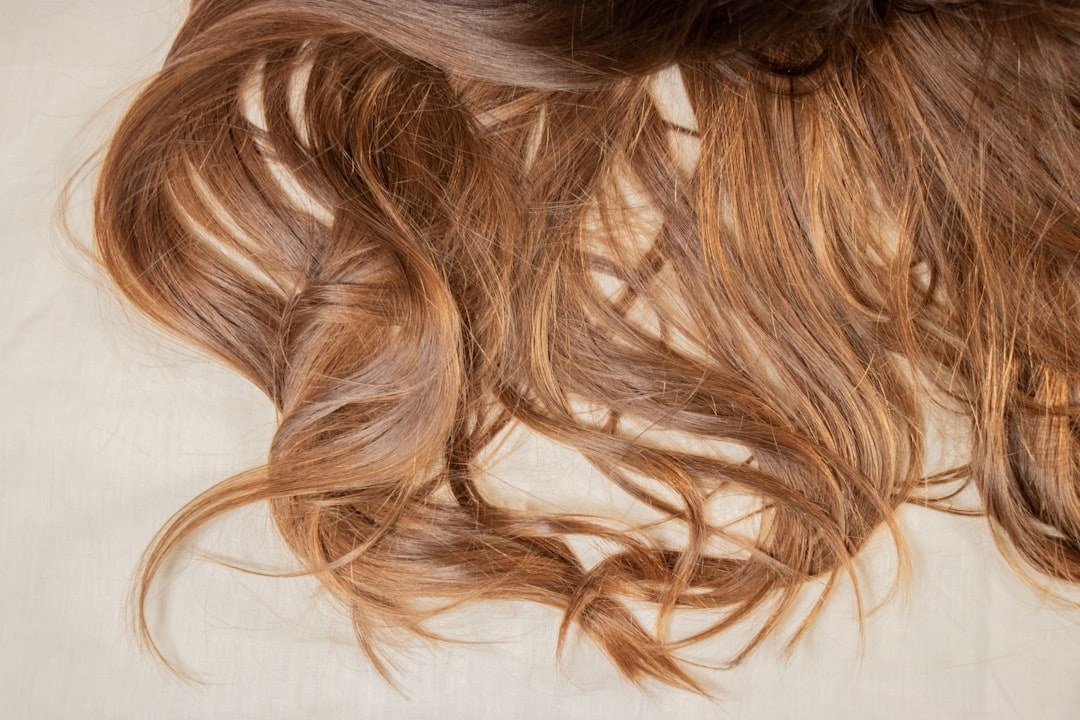
Healthy hair has structure provided by protein called keratin, arranged in three layers: the cuticle (outer protective layer), cortex (middle protein-rich layer), and medulla (inner core). Stretchy hair indicates compromised protein structure—the cortex has been weakened, allowing hair to extend like elastic rather than maintaining rigidity.
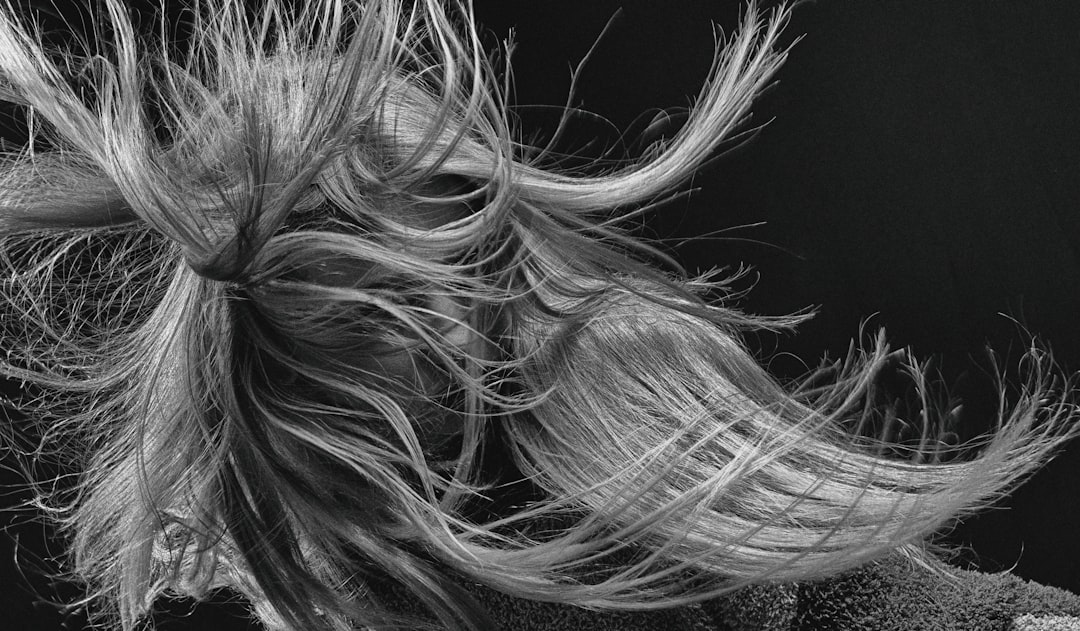
When you gently stretch a strand of healthy hair, it should resist and snap cleanly. When you stretch damaged hair, it extends noticeably before breaking. The more it stretches before snapping, the more severe the protein damage.
This isn’t merely aesthetic concern—stretchy hair indicates genuine structural compromise. Your hair is significantly weaker than healthy strands and prone to breakage during regular handling.
Primary Causes of Stretchy Hair
Heat Damage and Bleaching
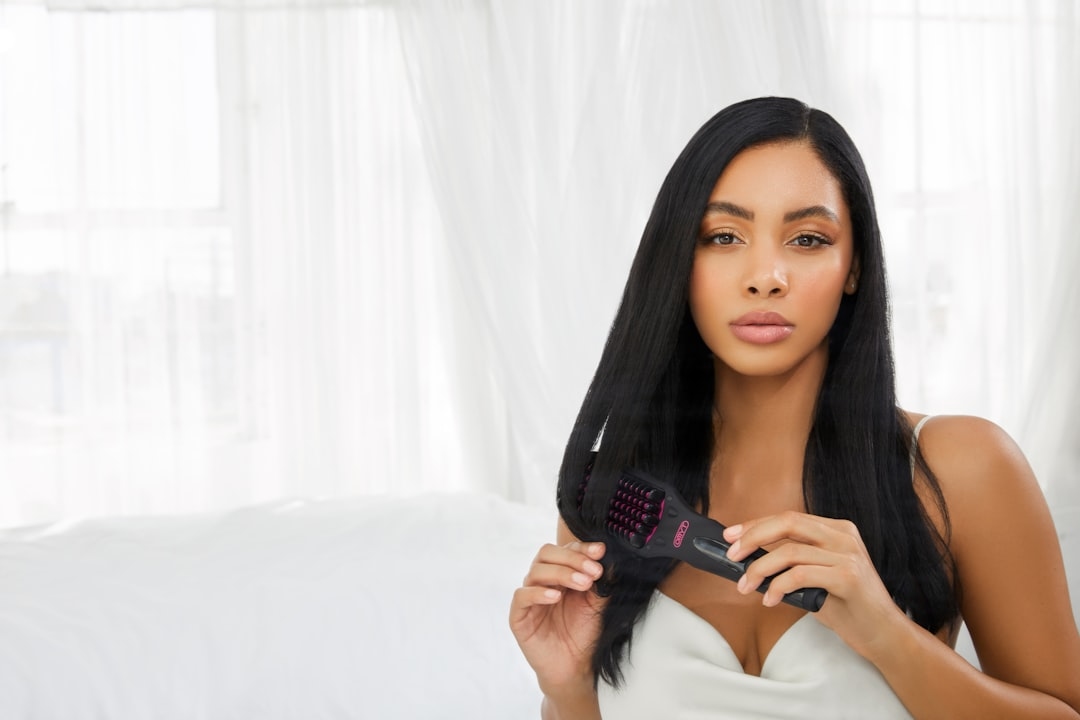
Excessive heat styling (regularly exceeding 200°C with a flat iron or curling iron) or bleaching (whether for colour correction or lightening) dramatically damages hair protein. Both processes break peptide bonds holding the keratin structure together. The cumulative effect: hair loses its structural integrity and becomes stretchy.
Bleached hair is particularly vulnerable. The bleaching process alters hair’s protein structure fundamentally, making it naturally more stretchy than virgin hair even after a single treatment. Multiple bleach applications compound this exponentially.
Heat styling combined with bleaching creates severe damage. If you’ve bleached your hair and regularly style with heat (150°C+), your hair is extremely likely to stretch excessively. This combination is the primary cause of severe stretchy hair.
Chemical Processing: Relaxers and Permanent Colours
Chemical relaxers (used to straighten textured hair) and permanent hair colours both alter protein structure through chemical reaction. These processes are more damaging than temporary colours or temporary relaxing treatments because they permanently modify keratin bonds.
Combining multiple chemical processes (relaxer + permanent colour, for example) compounds damage severely. Hair undergoes protein breakdown from each process, leaving cumulative structural damage.
Environmental Damage and Product Buildup
Harsh UV exposure (particularly June–August in the UK when sun is strongest), chlorine exposure (swimming), and salt water (seaside holidays) all damage hair protein gradually. Additionally, product buildup (from excessive gel, mousse, or conditioner use without clarifying) doesn’t directly damage protein but prevents moisture penetration, making hair appear and feel more stretchy.
These causes alone rarely create severe stretchy hair—but combined with heat or chemical damage, they accelerate deterioration significantly.
Assessment: How Stretchy Is Too Stretchy?
A simple test determines damage severity: take a single strand of hair and gently pull it. Healthy hair stretches approximately 5–10% of its length before snapping. Slightly damaged hair stretches 15–20%. Moderately damaged hair stretches 25–40%. Severely damaged hair stretches more than 40% before breaking.
If your hair stretches more than 20% of its length before breaking, you have meaningful protein damage requiring treatment. If it stretches excessively (40%+), your hair is severely compromised and risks breaking during normal handling.
Treatment Options for Stretchy Hair
Protein Treatments for Keratin Restoration
Protein-rich treatments (containing hydrolyzed keratin, collagen, or wheat protein) temporarily restore structure by depositing protein onto damaged areas. These treatments don’t permanently repair damage but create temporary structural improvement lasting 1–3 weeks.
Professional treatments at salons (typically £40–£80 per treatment) use concentrated protein formulas providing noticeable improvement. Budget options at supermarkets (£5–£15 for at-home treatments) work less dramatically but offer economical maintenance between professional treatments.
Minimising Further Damage
For stretchy hair, heat styling must stop immediately. Every heat application further damages already-compromised protein. Allow your hair to recover through air-drying or low-heat diffusing only (maximum 120°C).
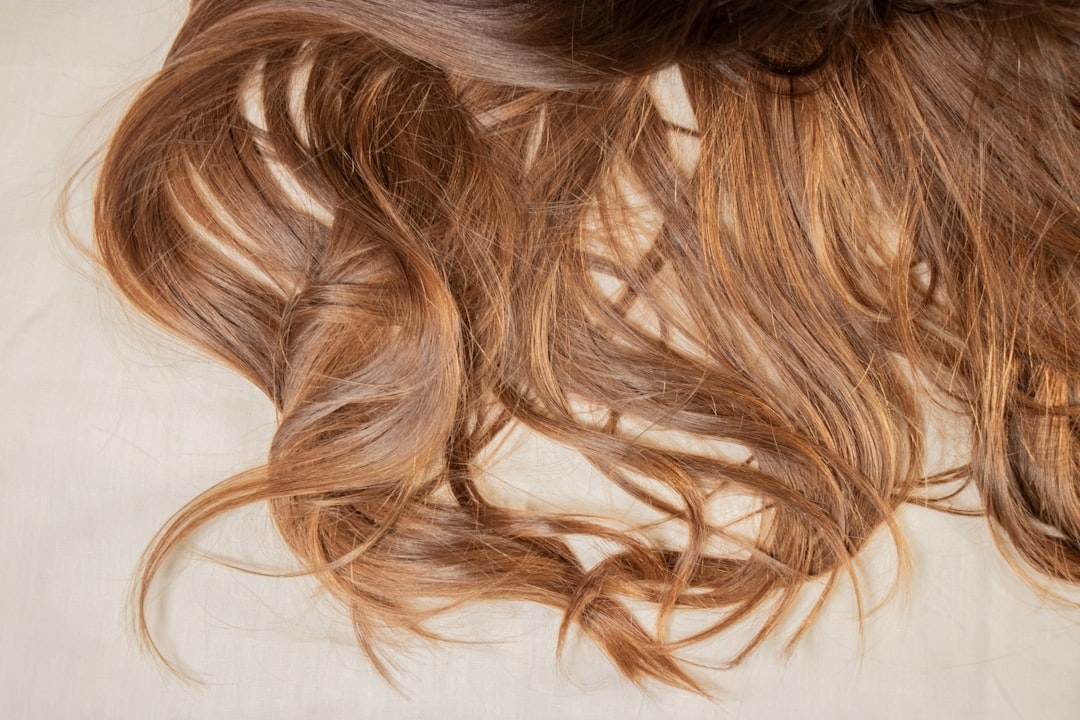
Additionally, cease all chemical processing (no new colours, no relaxers, no treatments) until your hair recovers. Give your hair a minimum 3–6 months free from chemical and heat stress.
Trim or Cut Away Severely Damaged Ends
Severely stretchy hair that extends 40%+ before breaking is functionally unusable. Rather than attempting to restore it, trimming off the most damaged inches is often the best solution. This removes the worst-damaged hair, allowing healthier hair to grow and preventing split ends from travelling up the shaft.
Budget approximately £25–£50 for a professional trim removing the most damaged portions. This isn’t ideal, but it’s often more practical than attempting to restore severely damaged hair.
Real Example: Recovery From Stretchy Hair
Jessica bleached her hair for a blonde balayage in late 2024, then continued styling with heated tools weekly. By March 2025, her hair was noticeably stretchy and breaking during normal brushing. She consulted a stylist who assessed her hair’s damage severity and recommended immediate action: stop all heat styling, cut off the most damaged 3 inches, and commit to protein treatments weekly.
By September 2025 (six months of careful care, weekly protein treatments, and no heat or chemical processing), her remaining hair had recovered substantially. Stretching had reduced from 45% to approximately 15%. By early 2026, with one professional trim and continued protein maintenance, her hair was nearly restored to health. She learned the hard way: prevention (heat protectant products, limiting heat styling to 1–2 times weekly) is far simpler than recovery.
Prevention for the Future
Once you’ve experienced stretchy hair damage, prevention becomes critical. Heat protectant spray (£4–£8, applied before any heat styling) reduces heat damage significantly. Limiting heat styling to 1–2 times weekly rather than daily dramatically reduces cumulative damage.
Additionally, space out chemical treatments (months between colours or relaxers, not weeks). Allow your hair recovery time between processes. One treatment is manageable; multiple treatments in quick succession create severe cumulative damage.
Frequently Asked Questions
Is stretchy hair permanently damaged?
Protein damage isn’t permanently reversible—once peptide bonds break, they don’t truly repair. However, treatments add temporary protein, and new hair growth replaces damaged strands. With care, your hair functionally recovers within 6–12 months.
Can I restore stretchy hair without cutting it?
Partially. Protein treatments improve texture and reduce stretching noticeably. However, severely stretched hair (40%+ extension before breaking) won’t fully recover without cutting away the worst damage.
How often should I do protein treatments for stretchy hair?
Weekly treatments for 4–6 weeks, then reduce to monthly maintenance. Excessive protein buildup can make hair stiff, so balance intensive treatment with conditioning treatments preventing buildup.
Can stretchy hair be straightened or styled safely?
No. Heat styling further damages already-weakened protein. Avoid all heat until your hair recovers (minimum 6 months). Air-dry only during the recovery period.
Does insurance or salons cover stretchy hair damage treatment?
No. Hair damage from styling choices isn’t covered by insurance, and salons only provide treatments for payment. Budget £40–£80 monthly for professional protein treatments during recovery.
Why is my hair stretchy? Likely protein damage from heat, bleaching, or chemical processing. Your hair’s elasticity indicates structural compromise requiring immediate action. Stop further damage (halt all heat and chemicals), treat with protein-rich products, and give your hair 6–12 months recovery time. Once recovery is complete, prevent recurrence through careful styling and spacing chemical treatments. Your hair will recover, but it requires genuine commitment to damage prevention.