







Contents:
- Understanding Hair Follicle Testing and Detection Timelines
- The Hair Growth Cycle and Detection Window
- Why Longer Detection Than Urine Tests?
- How Far Back Does a Hair Follicle Test Detect Specific Drugs?
- Seasonal Considerations for Hair Testing Accuracy
- Factors Affecting Detection Accuracy
- Sample Collection Method
- Hair Colour and Melanin Content
- Hair Treatment and Damage
- False Positives and Challenges to Results
- Sustainability and Ethical Considerations of Hair Testing
- FAQ: Hair Follicle Drug Testing Timelines
- Can a hair test detect drug use from a year ago?
- If I cut my hair, does the detection window reset?
- How accurate are hair drug tests compared to urine tests?
- Can prescription medications show as positive on a hair test?
- Is there any way to beat a hair drug test?
- Preparing for Hair Follicle Testing
You’ve received a job offer contingent on passing a drug test. The letter specifies a hair follicle test rather than the standard urine screening. Questions flood your mind: how far back does a hair follicle test detect drugs? If you used something six months ago, will it show? Understanding the detection window—the period looking backward in time where substance use becomes detectable—matters both practically and legally.
Understanding Hair Follicle Testing and Detection Timelines
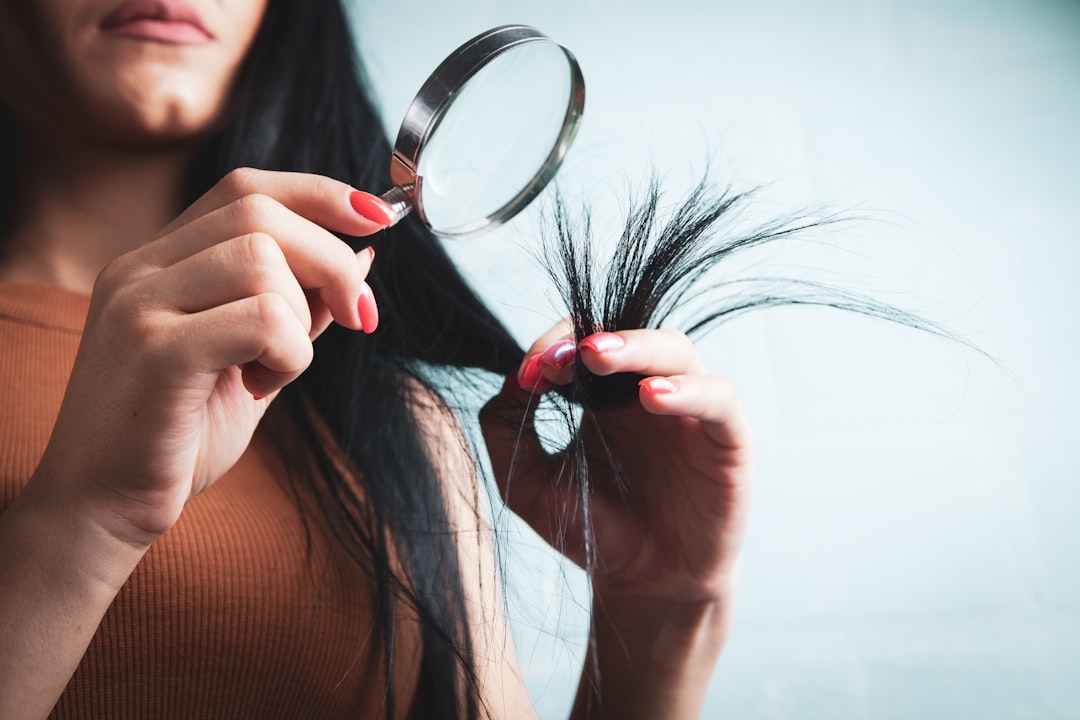
Hair follicle drug tests detect substance use by analysing the hair shaft itself. As your hair grows, substances from your bloodstream deposit into the growing follicle. The test extracts a hair sample (typically 90 hairs or approximately 1.5 inches/3.8cm length) and analyses it for drug metabolites. The timeline for detection spans much longer than urine testing because hair grows slowly—approximately 0.4mm daily or 15cm yearly.
How far back does a hair follicle test detect drugs? Standardly, tests detect substance use from the previous 90 days. This 90-day window represents approximately 3 months of hair growth. However, detection can extend to 120 days (approximately 4 months) in some cases, and specialised tests can detect back to 1-2 years for certain substances.
The Hair Growth Cycle and Detection Window
Hair grows from the follicle base, pushing older hair outward. The oldest hair is at the tip; the newest is closest to the scalp. Testing labs take hair approximately 1.5 inches from the scalp, focusing on growth from the past 90 days. Hair growing slower than average (0.4mm daily) due to genetics or health conditions may compress the detection window slightly. Conversely, faster-growing hair might extend it slightly.
Individual variation exists. Some hair grows at 0.3mm daily (slower); some at 0.5mm daily (faster). This variation means the exact 90-day window shifts 1-2 weeks depending on your hair growth rate. Most testing labs account for this variation and use the standard 90-day window as approximate.
Why Longer Detection Than Urine Tests?
Urine tests detect drug use from the previous 3-5 days. Hair tests extend detection to 90+ days because substances bind to the hair shaft and remain detectable as the hair grows and is cut away. This extended detection window is why hair testing is popular in employment screening—it’s harder to “beat” by timing usage.
How Far Back Does a Hair Follicle Test Detect Specific Drugs?
Detection windows vary by substance. Standard testing detects:
- Cannabis: 90 days (regular use may be detectable at 120 days)
- Cocaine: 90 days
- Opioids: 90 days (heroin, morphine, codeine)
- Amphetamines: 90 days (methamphetamine, MDMA, amphetamine)
- Benzodiazepines: 90 days if regularly used; single use may not appear
- Alcohol: 90 days (specific alcohol markers like ethyl glucuronide)
Extended testing (requested in some employment or legal contexts) can detect further back. Alcohol testing for 6 months detection is available through specialised EtG (ethyl glucuronide) testing. Cannabis might be detected back 120 days in chronic users. These extended tests typically cost £100-200 versus standard tests at £50-80 in UK private clinics.
Seasonal Considerations for Hair Testing Accuracy
Hair growth varies slightly seasonally. Historically, humans grew hair faster in spring and summer (approximately 20% faster growth) and slower in autumn and winter. Modern lifestyle (indoor heating, consistent light exposure) has reduced this variation, but some seasonal effect remains. If you’re having a hair test in January (peak winter), your hair might be growing slightly slower than in July. This means the 90-day detection window might actually represent 95-98 days in January versus 85-88 days in July. The difference is minor but worth considering in border cases.
Factors Affecting Detection Accuracy
Sample Collection Method
Labs collect approximately 1.5 inches (3.8cm) of hair closest to the scalp. This matters because hair grows continuously—cutting your hair doesn’t reset the detection window. If you cut your hair during the window, the test simply examines the remaining 1.5 inches, which extends the detection window backward in time slightly. A person who cut their hair 30 days before testing effectively has a 120-day detection window because newer hair replacement hasn’t yet grown.
Hair Colour and Melanin Content
Studies suggest darker hair (containing more melanin) may accumulate slightly more drug residue than lighter hair. Testing labs account for this variation and don’t typically use colour-correction factors—standardised interpretation applies across hair colours. However, the variation is real, meaning someone with very dark hair might show slightly higher drug concentrations than someone with lighter hair at identical substance exposure.
Hair Treatment and Damage
Bleaching, dyeing, and chemical treatments can affect drug detectability slightly. Heavy bleaching can reduce detectable concentrations by 5-20%. Labs typically note hair treatment and account for it in interpretation. Washing, conditioning, and normal weathering have minimal effect on detection—substances are bound inside the hair shaft, not on the surface.

False Positives and Challenges to Results
Hair testing is more specific than urine testing (fewer false positives). However, challenges can arise. Second-hand cannabis smoke exposure can result in detectable (though typically lower) concentrations. Passive exposure to cocaine powder in heavily contaminated environments might theoretically cause detection, though labs dispute this possibility. Prescription medications that metabolise similarly to illegal drugs can cause issues—for example, some ADHD medications contain amphetamine compounds that show as amphetamine use. Informing the testing centre of any prescriptions helps clarify results.
Legal challenges to hair test results have succeeded in rare cases. Labs must follow strict chain-of-custody procedures and use certified testing methods. Requesting results be confirmed using gas chromatography-mass spectrometry (GC-MS) rather than immunoassay screening increases accuracy.
Sustainability and Ethical Considerations of Hair Testing
Hair testing requires minimal sample collection (90 hairs) compared to urine testing’s repeated sampling. The sustainability advantage is marginal—testing vials and chemical reagents represent the real environmental impact. Hair testing generates less hazardous chemical waste than some alternatives. From an ethical perspective, hair testing’s extended detection window raises privacy concerns. Many people consider 90-day detection intrusive compared to urine testing’s 3-5 day window. European privacy regulations have stricter limits on hair testing permissibility than US employment law, reflecting these concerns.
FAQ: Hair Follicle Drug Testing Timelines
Can a hair test detect drug use from a year ago?
Standard hair tests detect 90 days back. Specialised extended tests can detect back approximately 1-2 years, though most labs offer 90-day or 180-day testing at maximum. Costs for extended testing (£100-200) exceed standard testing (£50-80). Most employers request standard 90-day testing unless specific legal or compliance requirements mandate longer detection windows.
If I cut my hair, does the detection window reset?
No. Cutting doesn’t reset the window. The test examines whatever 1.5 inches of hair exists closest to the scalp. If you cut your hair very short recently, those newest 1.5 inches represent only 3 months of growth, giving a standard 90-day window. If you haven’t cut your hair and it’s long, those 1.5 inches might represent older hair if measured from the tip. Labs measure closest to the scalp intentionally to standardise the detection window.
How accurate are hair drug tests compared to urine tests?
Hair tests are approximately 95-98% accurate for detecting substance use. False positives are rare (approximately 1-3%). Urine tests are similarly accurate (93-97%) but detect shorter timeframes. Hair tests better detect chronic use; urine tests better detect recent use. For employment screening where past 90-day usage concerns employers, hair testing is more appropriate.
Can prescription medications show as positive on a hair test?
Possibly. Amphetamine-based ADHD medications (Adderall, Dexedrine), prescription opioids, and benzodiazepines can show positive. Always disclose prescriptions to the testing clinic before testing. Labs can distinguish prescription use (consistent dosing pattern over months) from illicit use (irregular spikes). Informed labs factor prescription medications into result interpretation.
Is there any way to beat a hair drug test?
No reliable method exists. Shampoos claiming to remove drug residue have no credible evidence of effectiveness. Labs collect samples directly from the scalp, minimising surface contamination concerns. Colour treating or bleaching can slightly reduce detection (5-20%) but isn’t reliable. The only certain way to pass is genuine abstinence throughout the detection window.
Preparing for Hair Follicle Testing
If you know a hair test is coming, the standard 90-day detection window gives you clarity: any substance use during the previous three months will likely appear. If your employment opportunity hinges on testing, understanding this timeline helps you make informed decisions. Labs typically collect samples professionally to prevent contamination, notify you of collection, and provide result notification. Most results come back within 5-7 business days. If you receive a positive result and dispute it, request confirmatory GC-MS testing and consult with a solicitor if the result affects employment significantly.