








Contents:
- The Hair Growth Cycle: Understanding Your Follicles’ Timeline
- Physical and Emotional Stress: The Primary Growth Disruptor
- Nutritional Deficiencies: Building Blocks Gone Missing
- Hormonal Imbalances: The Silent Saboteurs
- Scalp Health: The Foundation of Growth
- Common Mistakes to Avoid
- Sustainability and Eco-Conscious Hair Care
- When to Seek Professional Help
- FAQ: Common Questions About Hair Growth Stalling
- Restarting Growth: Your Action Plan
The average person sheds 50 to 100 hairs daily whilst simultaneously growing around 6 inches per year—yet most of us rarely notice this quiet activity beneath the scalp. When hair stops growing altogether, that silence becomes deafening. This frustrating halt affects roughly 1 in 4 people at some point, often arriving unexpectedly after years of steady length gain.
Understanding why has my hair stopped growing requires moving beyond surface-level assumptions. The human scalp contains approximately 100,000 follicles, each operating on its own schedule. When growth stalls, it signals a disruption in this delicate biological rhythm—one that’s almost always addressable once you identify the culprit.
The Hair Growth Cycle: Understanding Your Follicles’ Timeline
Hair doesn’t grow continuously. Instead, each follicle cycles through three distinct phases: anagen (growth), catagen (transition), and telogen (resting). During anagen, which lasts between 2 and 7 years depending on genetics, your hair actively lengthens. A single follicle can extend roughly 1 millimetre every 3 days during this phase.
The reason your hair appears to stop growing often stems from a premature exit from anagen. Rather than pushing forward at its normal pace, your follicles might retreat into telogen ahead of schedule. This doesn’t mean growth stops permanently—it means your follicles are pausing, sometimes for months, before attempting to restart.
This explains why many people notice their hair-growth plateau without obvious cause. The follicles are functioning normally; they’ve simply decided to rest. The trigger for this decision, however, rarely appears without reason.
Physical and Emotional Stress: The Primary Growth Disruptor
Stress acts as a biological alarm system, and your hair responds to its call. Chronic stress—whether from work pressures, relationship difficulties, or major life changes—can push follicles into telogen prematurely. This condition, called telogen effluvium, typically emerges 2 to 3 months after a stressful event.
The mechanism is straightforward: stress elevates cortisol and adrenaline, hormones that temporarily redirect your body’s energy away from non-essential functions like hair growth. Over months, this metabolic shift accumulates, visible as reduced length gain or increased shedding.
Recovery from stress-induced growth stalling requires addressing both the physical symptom and its emotional root. Meditation, regular exercise, and adequate sleep all reduce cortisol levels. Studies show that individuals practising mindfulness report noticeable improvements in hair vitality within 8 to 12 weeks.
Nutritional Deficiencies: Building Blocks Gone Missing
Hair is primarily composed of a protein called keratin, supplemented by trace minerals and vitamins. Without adequate supplies of these building blocks, follicles simply cannot construct new length.
Iron deficiency represents the most common nutritional culprit. Women of reproductive age require 18 milligrams of iron daily; inadequate intake directly correlates with slowed hair growth and increased shedding. Similarly, vitamin B12 deficiency (common in vegetarians and vegans) impairs cell division within the follicle itself, effectively putting growth on pause.
Zinc, biotin, and vitamin D each play supporting roles. A blood test ordered by your GP can identify specific deficiencies. Once identified, supplementation typically restores growth within 3 to 6 months. Consider these UK-sourced options:
- Iron supplements: ferrous sulphate tablets (typically £3-£8 per month)
- Vitamin B12: sublingual forms (£5-£12 monthly) or injections through the NHS
- Biotin: available in most supermarkets (£4-£10 for a month’s supply)
- Vitamin D: especially crucial during UK winters when sunlight exposure is minimal
Pairing supplementation with dietary adjustments accelerates results. Include red meat, dark leafy greens, legumes, and fatty fish in weekly meals to maintain ongoing nutritional support.
Hormonal Imbalances: The Silent Saboteurs
Thyroid dysfunction, polycystic ovary syndrome (PCOS), and hormonal contraceptive adjustments all disrupt hair growth. The thyroid, in particular, regulates metabolic speed and nutrient absorption—both essential for hair production.
Hypothyroidism (underactive thyroid) slows overall metabolism, including follicle activity. Hair becomes finer, growth slows noticeably, and shedding increases. A simple blood test measuring TSH and free T4 levels identifies thyroid issues. Once diagnosed, levothyroxine replacement typically restores growth within 2 to 3 months.
Hormonal contraceptives occasionally trigger hair loss or slow growth in sensitive individuals. If growth stalled shortly after starting a new contraceptive, discuss alternative options with your GP. Switching formulations often resolves the issue entirely.
Scalp Health: The Foundation of Growth
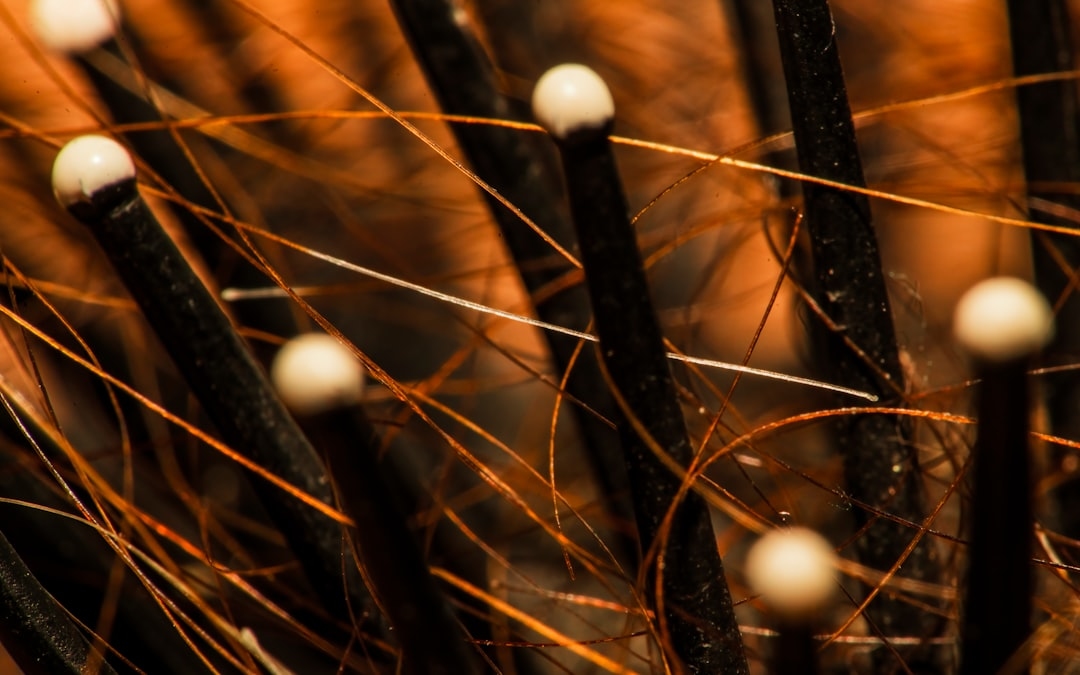
An unhealthy scalp cannot support healthy hair growth. Conditions like seborrheic dermatitis, psoriasis, or fungal infections create inflammation that stresses follicles. Some individuals develop a condition called androgenetic alopecia (pattern hair loss), which genetically predisposes follicles to shrink over time.
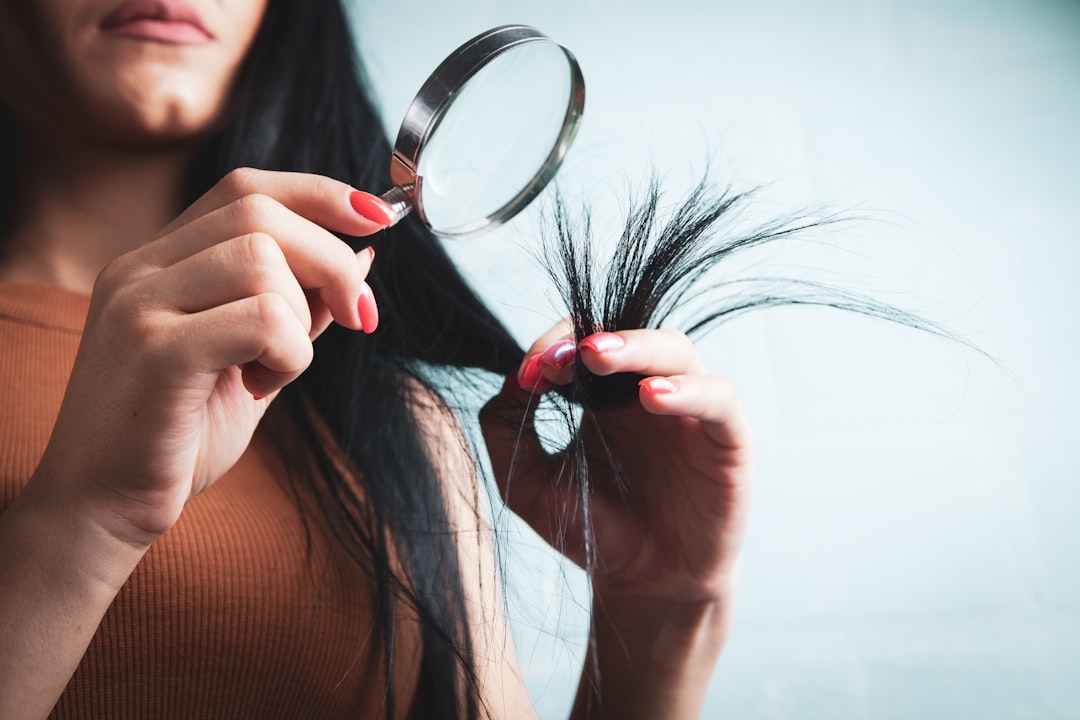
Simple scalp assessment reveals much. Examine your scalp for redness, flaking, itching, or excessive oiliness. These signs suggest inflammation requiring professional treatment.
A dermatologist can prescribe targeted treatments. For androgenetic alopecia, minoxidil (Regaine, available at most pharmacies for £20-£40 per month) extends the growth phase and can restart stalled hair. Finasteride requires prescription but offers stronger results for individuals with genetic predisposition.
Daily scalp care matters too. Gentle massage stimulates blood flow to follicles. Spend 2 minutes daily massaging your scalp with fingertips using moderate pressure—research suggests this increases nutrient delivery to follicles by up to 25%.
Common Mistakes to Avoid
Many people inadvertently worsen hair growth stalling through well-intentioned but counterproductive habits:
- Over-washing: Stripping natural oils destabilises the scalp microbiome, increasing inflammation. Wash hair no more than 2-3 times weekly.
- Heat styling without protection: High temperatures damage the protein structure of existing hair and stress follicles. Always use heat protectant sprays (£5-£15) before blow-drying.
- Tight hairstyles: Constant tension causes traction alopecia, permanently damaging follicles if sustained. Alternate between loose and protective styles.
- Ignoring sleep debt: Hair grows most actively during sleep when growth hormone peaks. Consistently sleeping fewer than 7 hours nightly sabotages regrowth efforts.
- Expecting overnight results: Hair growth is a 3 to 6-month process. Patience with interventions prevents abandoning effective treatments prematurely.
Sustainability and Eco-Conscious Hair Care
Restarting hair growth needn’t require wasteful practices. Choosing sustainable products aligns personal wellness with environmental responsibility.
Solid shampoo bars last 80% longer than liquid equivalents, reducing plastic waste whilst maintaining scalp health. Brands like Friendly Soap and Unwrapped Life offer UK-made options (typically £6-£12 per bar). Similarly, natural oils such as coconut, argan, and jojoba provide nourishment without microplastic contamination.
If considering supplements, select brands using recycled glass packaging and ethical sourcing practices. This doesn’t cost more—it simply requires reading labels before purchasing.
When to Seek Professional Help
Consult a GP if hair growth remains stalled after 6 months of self-care attempts, or if growth stalling accompanies other symptoms like fatigue, weight changes, or mood shifts. These patterns suggest underlying medical conditions requiring professional evaluation.
A trichologist (hair specialist) offers deeper analysis when general practitioners cannot identify a cause. NHS referrals exist, though private consultations (typically £100-£200) provide faster diagnosis. Dermatologists address scalp conditions and can prescribe pharmaceutical treatments when necessary.
FAQ: Common Questions About Hair Growth Stalling
Q: How long before I notice improvement after identifying the cause?
A: Most people observe measurable change within 3 months. Hair growth acceleration becomes noticeable at the 6-month mark as new, healthier strands replace damaged ones. Patience is essential—the timeline reflects the follicle’s natural cycle, not the speed of treatment.
Q: Can hair growth restart after stopping completely?
A: Yes, in nearly all cases except permanent follicle destruction (traction alopecia, severe scarring). Even follicles in telogen can re-enter anagen when triggering conditions improve. Recovery requires addressing the underlying cause rather than waiting passively.
Q: Is biotin supplementation actually effective?
A: Biotin helps only if you have a documented deficiency, which is rare. Most UK diets contain adequate biotin from eggs, almonds, and whole grains. Testing before supplementing prevents wasting money on unnecessary pills.
Q: Why has my hair stopped growing after years of normal growth?
A: The most likely culprits are stress, nutritional shifts, or hormonal changes rather than genetics. If growth was normal previously, something environmental or physiological has recently changed. Identifying this change (diet shifts, new medication, life stressors) points toward solutions.
Q: Can water intake influence hair growth?
A: Adequate hydration supports overall health, including scalp circulation. Drinking 1.5 to 2 litres of water daily optimises nutrient delivery to follicles, though water alone cannot override other growth-limiting factors.
Restarting Growth: Your Action Plan
Hair growth stalling is resolvable. The key lies in systematic investigation rather than guesswork. Start by assessing stress levels, examining your diet for nutritional gaps, and scheduling a GP appointment to rule out thyroid or iron deficiency. Simultaneously, upgrade your scalp care routine with gentle products and daily massage.
Most people identify their growth obstruction within 2 to 3 weeks of focused attention. Once identified, targeted interventions—whether stress management, supplementation, or dermatological treatment—typically restore hair length gain within 3 to 6 months.
The delay between identifying a problem and observing results tests patience, but this timeline reflects genuine biological change. Your hair is responding; you’re simply waiting for the evidence to appear above the scalp. By addressing why has my hair stopped growing with specificity and persistence, you reclaim the quiet activity of growth that most take for granted.